KDP Golf Journal Interior Design Guide
Streamlining your print-on-demand workflow begins with selecting high-quality, pre-formatted assets that maintain professional standards while reducing production time. For creators focusing on the sports niche, a well-structured KDP Interior - GOLF JOURNAL serves as an essential foundation for publishing functional and visually appealing low-content books. Rather than spending hours adjusting margins or grid alignments, designers can leverage ready-to-use PDF files to ensure technical precision. This approach allows you to focus on cover design and marketing strategy, knowing the internal layout meets strict publishing specifications for Amazon Kindle Direct Publishing.
Technical Precision in Editorial Layouts
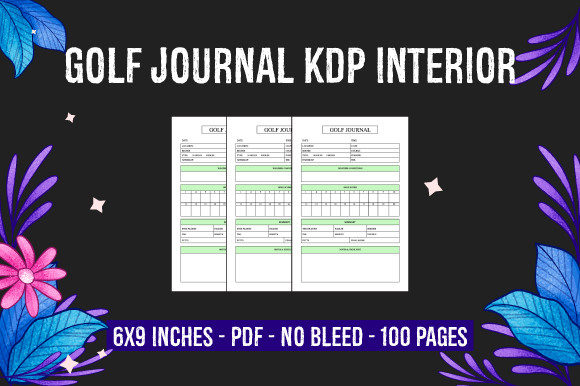
In graphic design and editorial layout, consistency is paramount for user experience. A golf journal requires specific structural elements to be useful to its audience, including score tracking grids, handicap logs, and course notes. When utilizing a 100-page template sized at 6″ x 9″ inches, the visual hierarchy must guide the user effortlessly through data entry. High-resolution PDF files ensure that lines remain crisp and text stays legible after printing, which is critical for maintaining a premium brand identity. Whether you select bleed or no-bleed options, the underlying grid system provides a reliable framework that supports clean typography and balanced white space.
Evaluating Creative Assets for POD
Selecting the right interior template involves more than just checking dimensions; it requires assessing how the design asset aligns with modern aesthetics and usability standards. Professional presentation in low-content books relies heavily on subtle design choices that enhance functionality without overwhelming the user. When integrating these ready-to-use interiors into your creative projects, consider the following factors to ensure quality:
- Visual Hierarchy: Ensure headers, input fields, and instructional text are distinct through weight and size variations to improve readability.
- Margin Safety: Verify that the 6x9 layout accounts for gutter margins, preventing content from being lost in the binding during the print process.
- Typography Pairing: Choose cover fonts that complement the interior typeface to create a cohesive visual language across the entire product.
- Scalability: Confirm that vector-based elements or high-DPI raster graphics remain sharp across different print formats and potential future digital adaptations.
Applications Beyond Book Interiors
While primarily designed for publishing, structured journal interiors offer valuable insights for broader visual communication and branding efforts. The discipline required to layout a functional golf journal translates directly to other design domains where information architecture is key. Understanding how users interact with printed forms helps inform UI design and web design, particularly when creating digital dashboards or mobile apps for sports tracking. The same principles of spacing, alignment, and feedback loops apply whether the medium is paper or pixel.
Furthermore, these templates serve as excellent resources for merchandise and packaging design. The iconography and layout structures found in a specialized journal can inspire social media graphics, advertising campaigns, or even physical apparel branding. By treating the interior pages as part of a larger brand ecosystem, designers can extract motifs and color palette ideas that reinforce recognition across multiple touchpoints. This cross-pollination of ideas ensures that your digital products and physical goods share a unified aesthetic, strengthening overall market positioning.
Enhancing Workflow Efficiency
For marketers and business owners managing multiple SKUs, efficiency does not mean sacrificing quality. Using pre-designed interiors allows for rapid iteration and testing of different niches within the golfing community. Instead of reinventing the wheel for every publication, you can allocate more resources to custom cover art, keyword research, and digital marketing strategies. This shift in workflow prioritizes high-impact creative tasks while automating the technical groundwork. It also reduces the risk of formatting errors that can lead to rejected submissions or poor customer reviews, safeguarding your reputation as a publisher.
Ultimately, successful print-on-demand businesses rely on the intersection of artistic vision and technical reliability. Investing in professionally crafted assets like a comprehensive golf journal template demonstrates a commitment to user satisfaction and design excellence. Thoughtful selection of creative resources not only accelerates production but also elevates the perceived value of the final product. By prioritizing clarity, usability, and aesthetic coherence, designers can transform simple low-content books into sophisticated tools that resonate with their target audience and stand out in a competitive marketplace.