Movie Critics Journal: KDP Interior Design
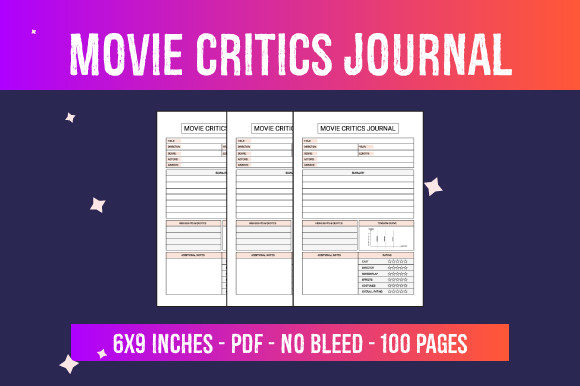
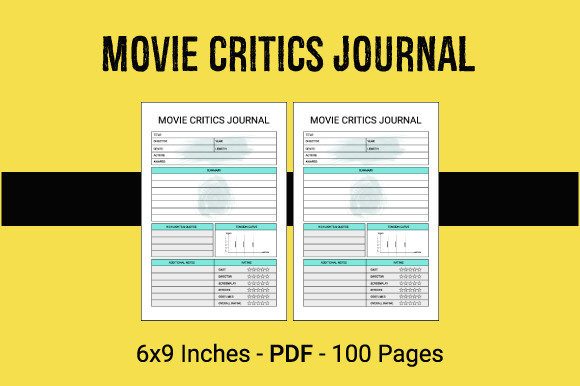
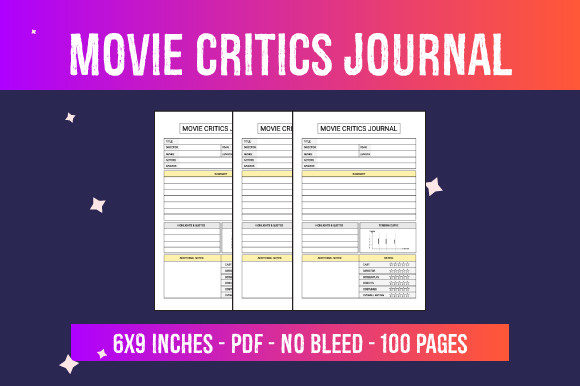
Creating a successful low-content book requires more than just a compelling cover; it demands an interior layout that balances functional utility with refined editorial design. For publishers focusing on cinema enthusiasts, a well-structured Movie Critics Journal serves as the essential foundation for user engagement and product quality. This ready-to-use PDF resource streamlines the production workflow, offering a professionally designed 100-page interior that eliminates technical guesswork while maintaining high standards of visual hierarchy and typography.
The Role of Editorial Design in Low-Content Books
In the realm of Print on Demand (POD) and Amazon KDP, the interior experience defines the perceived value of the physical product. While graphic design often focuses on external branding and logo design, the internal architecture of a journal dictates usability. A Movie Critics Journal is not merely a collection of blank lines; it is a curated user interface on paper. The layout must guide the writer through specific prompts—such as rating systems, cast lists, and personal reflections—without creating visual clutter. This balance is achieved through thoughtful whitespace management and consistent alignment, principles that are equally vital in web design and UI design.
From a professional presentation standpoint, the difference between an amateur notebook and a premium creative asset lies in typographic precision. The fonts selected for headers and body text must ensure readability across 100 pages, preventing eye strain during extended writing sessions. By utilizing pre-formatted interiors, designers can bypass repetitive formatting tasks and focus their energy on developing unique brand identities and marketing materials that resonate with film communities.
Technical Specifications and Print Readiness
When evaluating digital assets for print design, technical accuracy is non-negotiable. This specific resource is engineered to meet rigorous publishing standards, ensuring that the final printed product matches the digital proof. Understanding these specifications helps creators avoid common pitfalls such as margin errors or resolution loss.
- Dimensions: Standard 6″ x 9″ inches, optimized for portability and shelf presence.
- Page Count: 100 pages of distinct, purpose-built interiors tailored for film analysis.
- Bleed Settings: Configured for No Bleed, ensuring safe margins and clean trimming.
- File Quality: High-resolution PDF files suitable for crisp text reproduction and sharp line work.
These parameters align with modern aesthetics and industry expectations for trade paperbacks. The "No Bleed" configuration is particularly important for journals where content must remain within a safe zone, reducing the risk of text being trimmed off during manufacturing. This attention to detail reflects a broader commitment to quality assurance in creative projects.
Integrating Interiors into Brand Strategy
A cohesive brand identity extends beyond social media graphics and packaging design; it encompasses the tactile experience of the product itself. When you add a custom cover to this Movie Critics Journal interior, you are completing a visual system. The interior’s neutral yet structured aesthetic provides a versatile canvas that complements various cover styles, from minimalist typography to vibrant illustrative art. This flexibility allows marketers to test different visual trends without redesigning the core content.
Furthermore, high-quality interiors serve as excellent content for digital marketing campaigns. Showcasing interior spreads in promotional videos or website listings builds trust with potential buyers by demonstrating tangible value. In an era where UX design influences purchasing decisions, proving that a journal is intuitive and visually pleasing can significantly improve conversion rates. The consistent visual language established by professional templates also aids in building a recognizable series, encouraging repeat purchases from loyal customers.
Enhancing User Experience Through Layout
Effective visual communication in print relies on establishing a clear hierarchy. Just as a website uses navigation menus to guide users, a journal uses recurring design elements to create rhythm and expectation. The structured pages within this file provide that necessary framework, allowing users to focus on their thoughts rather than formatting. This approach mirrors best practices in information architecture, where clarity and organization take precedence over decoration.
Selecting the right creative assets involves assessing how well they solve specific user problems. For a movie critic, the ability to quickly log details and articulate complex opinions is paramount. A template that anticipates these needs demonstrates empathy and professional insight. Ultimately, investing in polished, ready-to-use design resources elevates the entire publishing process. It ensures that every touchpoint, from the initial digital preview to the physical unboxing experience, communicates professionalism and respect for the end user, reinforcing the importance of thoughtful design choices in building a sustainable KDP business.