Nutrition Tracker KDP Interior Design Guide
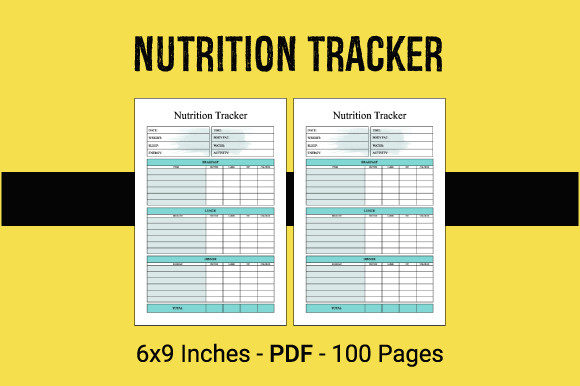
Streamlining your print-on-demand workflow begins with selecting high-quality, pre-formatted layouts that balance aesthetic appeal with functional usability. For creators focused on health and wellness publishing, a professionally designed Nutrition Tracker KDP Interior serves as the foundational element for building a credible low-content book brand. Rather than spending hours adjusting margins or grid systems, designers can leverage ready-to-use PDF files to ensure technical precision while focusing their creative energy on cover design and marketing strategy. This approach not only accelerates production but also guarantees that the final product meets the rigorous standards expected by modern consumers and printing platforms.
The Role of Functional Layouts in Visual Communication
In the realm of editorial design and user experience (UX), the interior of a journal is not merely a container for text; it is an interactive interface. A well-structured nutrition tracker requires a deep understanding of visual hierarchy and information architecture. When utilizing a 100-page template, the goal is to create a seamless flow that guides the user through daily logging without causing cognitive fatigue. Effective graphic design in this context means prioritizing whitespace, ensuring consistent alignment, and using typography that remains legible even when printed in grayscale. These ready-to-use assets provide a tested framework where line weights, font sizes, and spacing have been optimized for both readability and professional presentation.
Technical Specifications and Print Readiness
One of the most critical aspects of packaging design for physical products is ensuring the digital file translates perfectly to print. High-resolution PDF files eliminate the risk of pixelation or blurriness, which can instantly devalue a brand's perceived quality. For Amazon KDP and other POD services, adhering to specific dimension requirements is non-negotiable. This particular resource addresses those technical constraints directly:
- Dimensions: Standard 6″ x 9″ inches, the industry sweet spot for portable journals.
- Page Count: 100 pages of varied interiors to prevent user boredom and increase perceived value.
- Bleed Settings: Includes options for both bleed and no-bleed configurations to suit different cover wrap designs.
- File Quality: High-resolution vectors ensuring crisp lines and sharp text at any scale.
By starting with these verified specifications, designers avoid common rejection errors and reduce the time spent on pre-flight checks, allowing for a more efficient design workflow.
Enhancing Brand Identity Through Consistent Interiors
While the interior content is pre-made, it plays a vital role in your overall brand identity. Consistency between your cover art, logo design, and internal pages creates a cohesive unboxing experience that fosters customer loyalty. When evaluating a Nutrition Tracker KDP Interior, consider how the minimalist structure supports your unique creative assets. The neutral, functional grids act as a canvas that complements bold color palettes or intricate illustrations on the cover without competing for attention. This synergy between exterior branding and interior utility is what separates generic commodities from premium design products.
Practical Applications Beyond Publishing
The principles embedded in these tracker layouts extend far beyond book publishing. The same attention to grid systems and data visualization applies to various creative projects:
- Social Media Graphics: Use interior page screenshots as promotional content to demonstrate product utility and build trust with potential buyers.
- Digital Products: Adapt the high-resolution PDF structure for tablet-based planning apps or printable downloads.
- Merchandise Design: Extract specific icons or tracking tables for use on stickers, bookmarks, or supplementary wellness kits.
- Marketing Materials: Showcase the clean typography and organized layout in advertising campaigns to highlight the product’s ease of use.
Understanding how to repurpose these design elements maximizes the return on investment for your creative assets and strengthens cross-platform visual communication.
Ultimately, successful low-content publishing relies on the intersection of artistic vision and technical reliability. By integrating professional-grade templates into your process, you ensure that every page reflects a commitment to quality and user-centric design. Thoughtful selection of these resources allows creators to maintain high aesthetic standards while scaling their business, proving that efficient workflows and beautiful design are not mutually exclusive but rather essential partners in modern digital publishing.