Craft Project Planner: Premium KDP Interiors
Streamlining your publishing workflow begins with high-quality foundational assets that balance aesthetic appeal with functional utility. For designers and self-publishers navigating the competitive landscape of Amazon Kindle Direct Publishing, a professionally structured Craft Project Planner serves as more than just a notebook; it is a critical tool for establishing visual consistency and enhancing user experience. When utilizing ready-to-use PDF files for journal interiors, the focus shifts from tedious layout construction to strategic branding and creative customization, allowing you to deliver premium products that resonate with specific niche audiences.
The Role of Structured Interiors in Visual Communication
In the realm of editorial design and print production, the interior layout dictates how a user interacts with the content. A well-designed planner interior functions similarly to effective UI design, guiding the eye through intentional visual hierarchy and whitespace management. These ready-to-use resources eliminate technical guesswork regarding margins and safe zones, ensuring that the final product meets professional printing standards. By integrating a pre-formatted 100-page template, creators can maintain brand identity across multiple publications while reducing the time spent on repetitive grid setup.
This efficiency is vital for scaling a Print on Demand business without sacrificing design quality. The structural integrity of these files supports various creative applications, from minimalist tracking journals to elaborate project management logs. Designers can treat these interiors as a canvas, applying custom typography, color palettes, or illustrative elements to differentiate their offerings in a saturated market. The result is a cohesive visual language that strengthens brand recognition and improves the perceived value of the physical book.
Technical Specifications and Asset Details
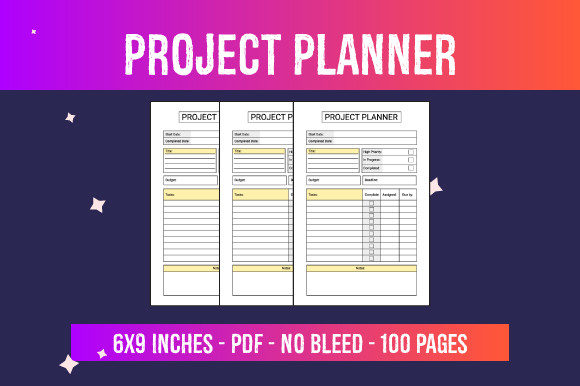
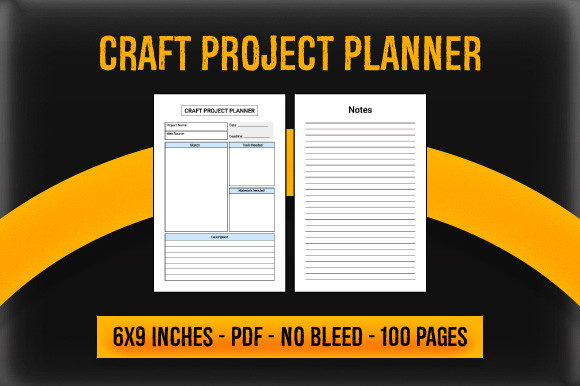
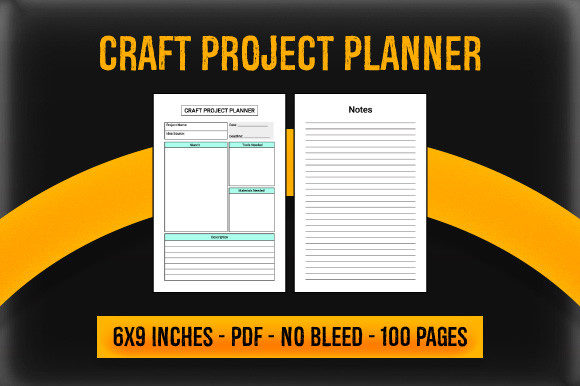
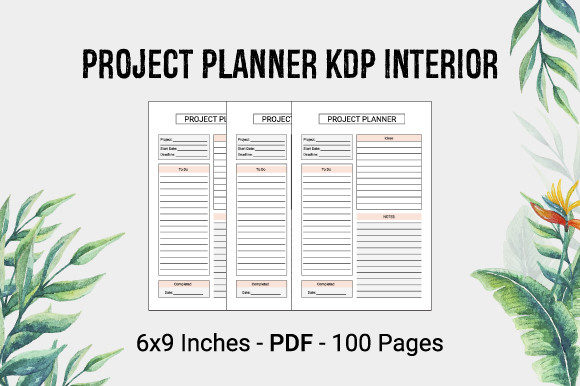
Understanding the precise technical parameters of digital assets is essential for seamless integration into your design workflow. This specific collection of KDP interiors is engineered for immediate usability and professional output. The specifications ensure compatibility with standard POD requirements while providing flexibility for creative adaptation:
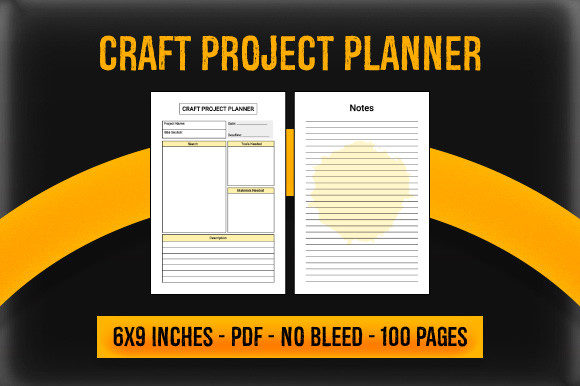
- Dimensions: 6″ x 9″ Inches, the industry-standard trim size for portable journals and planners.
- Page Count: 100 Pages of varied interior layouts optimized for no and low-content books.
- Bleed Settings: Configured for No Bleed, ensuring all content remains safely within printable margins.
- File Format: High-Resolution PDF Files suitable for direct upload or further editing in vector software.
Practical Applications for Creative Professionals
Versatile design assets extend beyond simple notebook creation. From a graphic design perspective, these structured pages can be repurposed across multiple touchpoints to create a unified brand ecosystem. Whether you are developing merchandise, marketing materials, or digital products, maintaining consistent visual structures reinforces trust and professionalism.
- Merchandise and Packaging Design: Adapt interior grids for product packaging inserts or companion workbooks that align with your primary book’s aesthetic.
- Social Media Graphics: Extract individual page layouts to create engaging carousel posts or Pinterest pins that showcase the internal functionality of your planner.
- Digital Products and UX: Utilize the established grid systems as a foundation for interactive PDFs or tablet-friendly digital planning templates.
- Presentation Decks: Leverage clean, structured layouts for client proposals or portfolio presentations that require organized data visualization.
Evaluating Quality and Usability
When selecting creative assets for commercial use, prioritize scalability and readability over decorative complexity. Effective visual communication relies on clarity; therefore, ensure that any added branding elements do not compromise the functional space intended for the end-user. Consider how typography choices interact with the pre-existing lines and boxes. A sans-serif typeface often pairs best with structured grids for modern aesthetics, while serif fonts may suit vintage or academic niches.
Furthermore, assess the file's compatibility with your existing design systems. High-resolution PDFs should allow for layer manipulation if you intend to customize headers or footers. Consistency in stroke weight, corner radius, and spacing contributes to a polished, professional presentation that distinguishes high-end products from amateur attempts. Always verify that the asset supports your specific design goals, whether that involves creating a serene mindfulness journal or a rigorous technical tracker.
Ultimately, the success of any Print on Demand venture hinges on the intersection of efficient production and thoughtful design. Investing in quality resources like this Craft Project Planner allows creators to bypass technical hurdles and focus on what truly matters: delivering exceptional value through superior visual communication. By treating these interiors as strategic design components rather than mere placeholders, you elevate the entire user experience and build a sustainable, aesthetically distinguished brand.