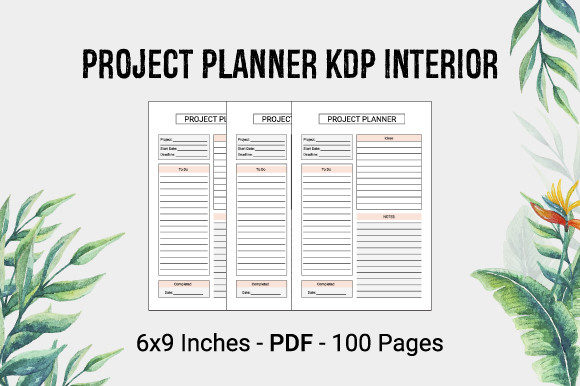
KDP Interior - Project Planner: Streamlining Your Low Content Publishing Workflow
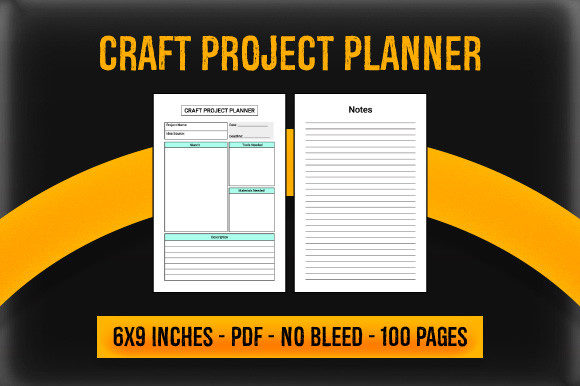
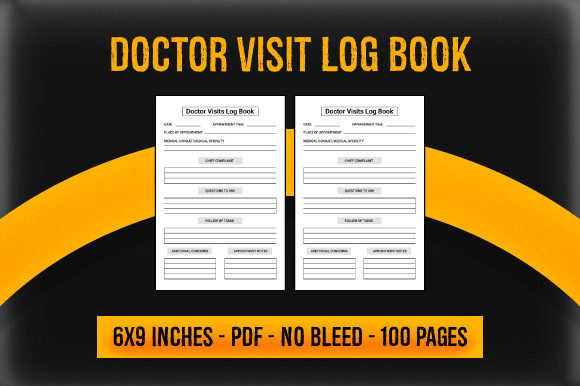
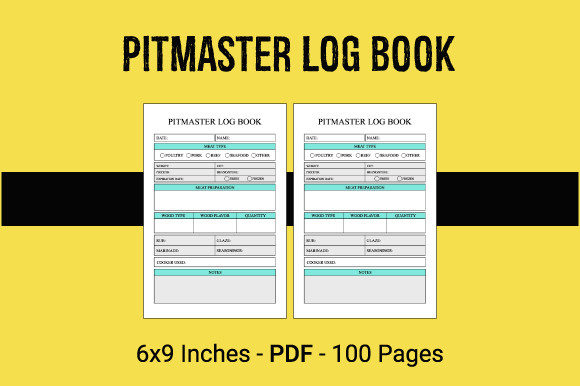
Building a sustainable Amazon KDP business often comes down to volume and consistency, but creating unique interiors from scratch for every single title is a recipe for burnout. The KDP Interior - Project Planner serves as a foundational asset for publishers who want to maintain high output without sacrificing quality or formatting accuracy. This ready-to-use PDF file provides a pre-formatted, 100-page structure specifically designed for no and low content books. Rather than spending hours adjusting margins, setting up bleed zones, or designing repetitive layouts in Canva or InDesign, you simply add your cover and publish. The immediate value here isn't just the pages themselves; it is the elimination of technical friction that often stalls new publishers.
Real-World Applications for Niche Publishers
The versatility of a standardized 6″ x 9″ project planner interior becomes apparent when you look at specific market needs. This size is the industry sweet spot for portable journals, offering enough writing space to be functional while remaining compact enough for daily carry. For creators targeting the productivity niche, this interior works exceptionally well as a generic goal tracker or habit journal. Because the layout is clean and unbranded, it allows the cover design to do the heavy lifting. You could create a "Nurse’s Shift Planner," a "Student Study Tracker," or a "Gym Progress Journal" using the exact same interior file. The differentiation happens entirely on the exterior, allowing you to test multiple micro-niches rapidly without redesigning the internal experience each time.
Consider the scenario of a publisher focusing on seasonal trends. When Q4 approaches, demand for gift-oriented notebooks spikes. With a pre-made KDP Interior - Project Planner, you can pivot quickly to create "New Year Resolution Journals" or "Gratitude Diaries" in a matter of hours. The 100-page count is substantial enough to perceive value as a gift item but light enough to keep printing costs low, preserving your royalty margins. This agility is crucial in print-on-demand, where timing often matters more than perfection.
Navigating Bleed vs. No Bleed Decisions
One of the most critical technical aspects included in this digital asset is the distinction between bleed and no bleed options. Understanding when to use which version prevents the most common rejection errors on KDP. The No Bleed version keeps all content safely within the margin lines, making it ideal for text-heavy planners, lined journals, or dot grid notebooks where elements should not touch the edge of the paper. This is generally the safer choice for beginners or for designs that rely on whitespace for aesthetic appeal.
Conversely, the Bleed version extends graphics or background colors beyond the trim line. This is essential if you plan to add decorative borders, full-page watermarks, or artistic elements that run to the edge of the page after printing. Having both high-resolution PDF files available means you aren't locked into a single design philosophy. If you decide later to upgrade a simple lined journal to include floral corner illustrations, you can switch to the bleed template without reformatting the entire document. This flexibility future-proofs your purchase and supports brand evolution.
Strategic Considerations Before Publishing
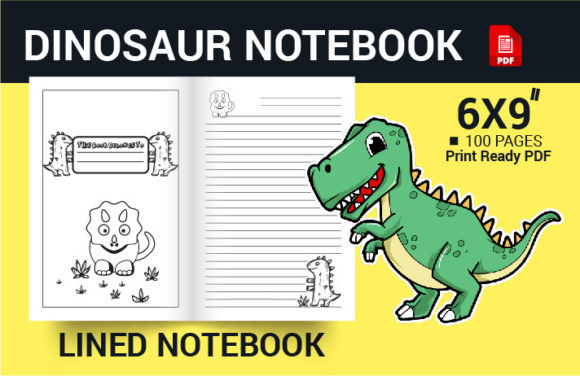
While ready-to-use files significantly reduce production time, they require a strategic approach to avoid market saturation. Because these interiors are accessible tools, successful publishers treat them as canvases rather than finished products. Before uploading, consider how you might customize the first few pages. Adding a unique "This Book Belongs To" page, a specialized index, or a niche-specific quote collection can transform a generic project planner into a tailored user experience. These small additions take minutes but signal to the Amazon algorithm and potential buyers that your book offers specific value beyond a standard notebook.
Paper quality and printing limitations also play a role in how you utilize this interior. Standard KDP white paper is 55# (90 GSM), which is suitable for pencils and ballpoints but may ghost with markers or fountain pens. Since this is a fixed PDF interior, you cannot adjust opacity or line weight post-purchase. Therefore, it is wise to manage customer expectations in your book description. If the lines are dark and bold, market it as a structured planner. If they are light and subtle, position it as a sketch-friendly overlay. Aligning the physical reality of the print product with your marketing copy reduces negative reviews and returns.
Audience Segmentation and User Experience
Different demographics interact with planner interiors in distinct ways, and the 6x9 format accommodates several key groups effectively. For professionals and entrepreneurs, this size fits inside briefcases and laptop bags, making it a practical tool for meeting notes and quick task capture. The 100-page length represents roughly three to four months of daily use, which aligns perfectly with quarterly business planning cycles. Marketing this interior as a "90-Day Sprint Planner" leverages the physical constraints of the book as a psychological benefit.
For students and academics, portability is paramount. A 6x9 project planner can easily be tossed into a backpack alongside textbooks without adding significant bulk. In this context, the interior serves as a homework tracker, lab notebook, or reading log. Parents represent another viable segment; this size is ideal for meal planning, childcare logs, or homeschooling schedules where the user needs to reference the book while multitasking. By visualizing the end-user's physical environment, you can select keywords and write descriptions that resonate with their actual lifestyle rather than generic terms like "notebook" or "journal."
Balancing Efficiency with Brand Identity
The primary strength of the KDP Interior - Project Planner is undoubtedly speed. It removes the learning curve associated with book formatting software and ensures professional-grade margins and resolution. However, reliance on stock interiors carries the risk of creating a storefront that looks disjointed or impersonal. To mitigate this, successful publishers often develop a consistent cover style or series branding that ties disparate books together. Even if the interiors are identical across five different titles, cohesive typography, color palettes, and author pen names create a recognizable brand ecosystem.
It is also important to recognize the limitations of static PDF files. Unlike editable source files, you cannot easily move elements around or change fonts within the provided planner pages. This rigidity means you must accept the layout as-is. If your niche requires highly specific columns, unique date formats, or proprietary tracking systems, a generic project planner may not suffice. In those cases, this asset works better as a supplementary product or a baseline for testing market interest before investing in custom design work. Use it to validate demand; if a particular niche responds well to the standard layout, then justify the expense of a fully custom interior later.
Optimizing for Print on Demand Success
Ultimately, the high-resolution nature of these PDF files ensures that your final product looks crisp and professional, regardless of the printer assigned to your order. Blurry lines or pixelated text are immediate indicators of low-quality publishing, and this asset eliminates that risk entirely. When combined with a strong keyword strategy and an eye-catching cover, the KDP Interior - Project Planner functions as a reliable engine for catalog growth. It allows you to shift your mental energy from technical troubleshooting to creative marketing and niche research, which are the activities that actually drive sales in the competitive landscape of Amazon KDP.
By treating this digital file as a versatile component of a larger publishing strategy rather than a standalone solution, you maximize its return on investment. Whether you are filling gaps in an existing series, testing new seasonal trends, or building a backlist of evergreen productivity tools, having a compliant, formatted, and ready-to-publish interior on hand removes the barriers between your ideas and the marketplace. The goal is not just to publish more books, but to publish better books faster, and this resource directly supports that objective.