KDP Interior: Craft Project Planner Assets
Streamlining your print-on-demand workflow begins with selecting high-quality foundational assets that balance aesthetic appeal with functional usability. For designers and publishers navigating the competitive landscape of low-content books, the KDP Interior - Craft Project Planner serves as an essential resource for establishing a professional standard without starting from scratch. This ready-to-use PDF collection provides a structured framework that allows creators to focus on cover design and marketing strategy while ensuring the internal user experience remains polished, consistent, and visually engaging for the end consumer.
The Role of Pre-Designed Interiors in Visual Communication
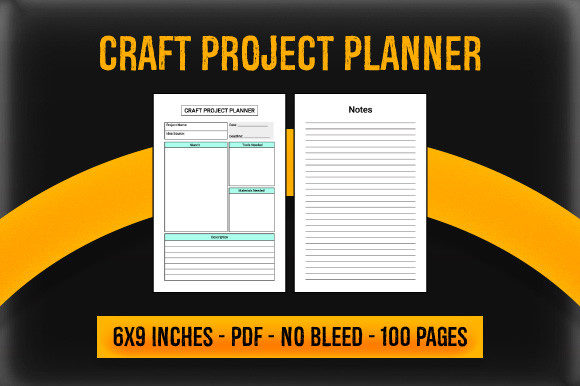
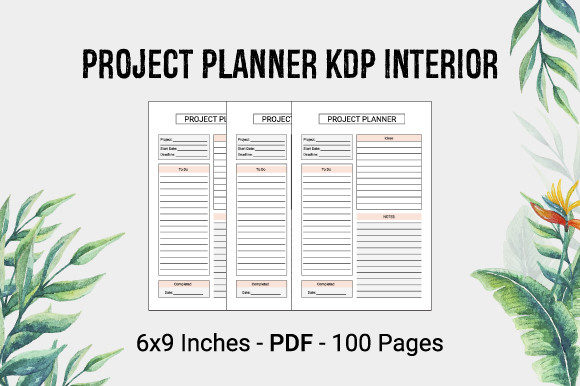
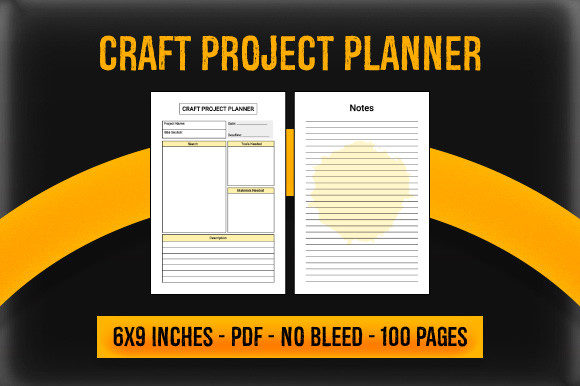
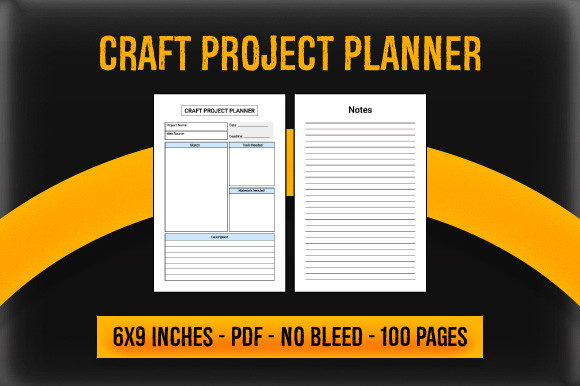
In modern graphic design and editorial layout, efficiency does not have to compromise quality. Utilizing pre-formatted interiors is a strategic decision that supports brand identity and product consistency across a publishing portfolio. When evaluating creative assets for Amazon Kindle Direct Publishing or other POD platforms, the technical specifications are just as critical as the visual style. This specific digital file includes 100 pages of meticulously crafted layouts optimized for 6″ x 9″ dimensions, available in both bleed and no-bleed variations. These high-resolution PDF files ensure that typography and line work remain crisp during the printing process, which is vital for maintaining a premium perception of the final physical product.
From a UX design perspective, a planner or journal is an interactive tool. The interior pages must guide the user intuitively through their creative projects or daily logging. By leveraging professional templates, designers can ensure proper visual hierarchy and whitespace management, preventing the cluttered appearance that often plagues amateur low-content books. This attention to detail enhances readability and encourages repeat usage, directly impacting customer satisfaction and reviews.
Practical Applications Across Creative Disciplines
Versatile interior templates extend beyond simple journaling. They act as modular components within a broader design ecosystem, supporting various creative and commercial applications:
- Editorial Design & Publishing: Establish a cohesive series identity by using consistent grid systems and typographic styles across multiple book titles.
- Merchandise & Packaging: Adapt interior motifs for complementary products like bookmarks, stickers, or packaging inserts to strengthen brand recognition.
- Social Media Graphics: Extract page layouts to create mockups and promotional content that accurately represents the product’s interior quality to potential buyers.
- Digital Products: Repurpose high-resolution files for digital planning apps or printable downloads, maximizing the ROI of a single design asset.
- Brand Identity Systems: Use the structural elements of the planner as a baseline for developing custom stationery lines or corporate gifting sets.
Evaluating Design Assets for Professional Results
Selecting the right KDP Interior - Craft Project Planner requires a discerning eye for design fundamentals. When integrating these assets into your workflow, consider how they align with your overall visual communication goals. Consistency is paramount; the interior should complement your cover design rather than clash with it. Evaluate the typography choices within the template to ensure they match the tone of your niche, whether that be minimalist, ornate, or utilitarian.
Scalability and adaptability are also key factors. A well-designed template allows for minor customization without breaking the layout. Designers should assess whether the margins, gutters, and safe zones adhere to current industry standards to prevent trimming issues. Furthermore, consider the emotional impact of the design. Does the composition inspire creativity? Does the color palette (if applicable) or contrast ratio support long-term usability? High-quality creative assets should solve problems for the user while elevating the perceived value of the publication.
Ultimately, thoughtful design choices distinguish successful POD businesses from saturated markets. By prioritizing professional-grade interiors and understanding their role in the larger context of visual design and branding, creators can produce work that resonates authentically with their audience. Quality assets do more than save time; they provide a reliable foundation for building a recognizable and respected brand identity in the digital publishing space.