Podcast Planner: Ready-to-Use KDP Interiors for POD
Launching a successful podcast requires more than just a microphone and an idea; it demands consistent organization, strategic planning, and reliable documentation. For creators in the Amazon Kindle Direct Publishing (KDP) and Print on Demand (POD) space, bridging the gap between digital audio content and physical utility products presents a unique opportunity. A dedicated Podcast Planner serves as both a functional tool for audio creators and a viable low-content book product for publishers. By utilizing ready-to-use PDF files specifically designed for this niche, entrepreneurs can bypass the tedious design phase and focus on market validation or personal productivity.
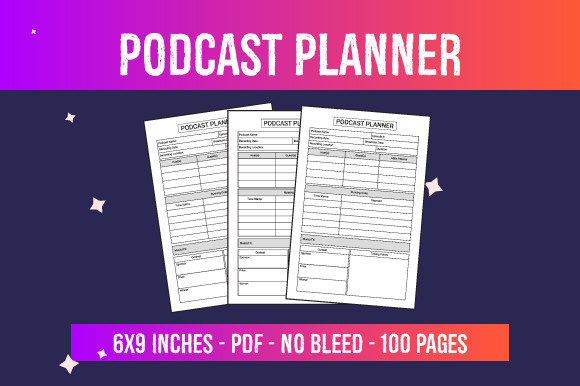
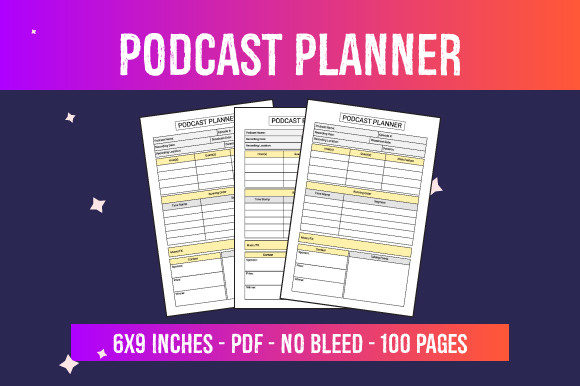
This specific digital asset provides a comprehensive 100-page interior tailored for the 6″ x 9″ trim size, which is the industry standard for portable journals and planners. Whether you are a podcaster seeking structure for your own show or a KDP publisher looking to expand your catalog with high-utility no-content books, understanding the practical application of these pre-formatted interiors is essential for maximizing return on investment and creative output.
Streamlining Production with Pre-Formatted PDF Files
The most immediate advantage of using ready-to-use KDP interiors is the elimination of technical friction. Designing a 100-page planner from scratch involves significant time investment in grid alignment, margin calculation, and typography selection. For publishers managing multiple SKUs, this bottleneck can delay launches by weeks. These pre-made Podcast Planner files resolve these issues by providing high-resolution PDFs that are already optimized for print.
Technical compliance is often where new KDP authors face rejection. This resource addresses the critical distinction between bleed and no-bleed settings. The included files are configured for no-bleed printing at 6″ x 9″, ensuring that all content remains safely within the printable area without being trimmed during manufacturing. This precision reduces the risk of upload errors and ensures a professional finish. For the end-user, whether they are buying the book or using it personally, this translates to a clean, usable layout where writing space is maximized and margins are consistent throughout the entire 100 pages.
Functional Layouts for Audio Content Strategy
A generic notebook rarely meets the specific needs of a podcaster. The value of a specialized Podcast Planner lies in its targeted utility. Unlike blank lined paper, these interiors typically include structured prompts and sections relevant to audio production. Practical layouts may encompass episode brainstorming matrices, guest research profiles, recording checklists, and post-production tracking logs.
For a solo entrepreneur hosting a weekly show, this structure transforms abstract ideas into actionable workflows. Instead of relying on scattered digital notes or disjointed apps, having a centralized physical location for episode planning supports cognitive offloading. This allows the creator to separate the planning phase from the recording phase, reducing mental fatigue. For KDP sellers, this specificity is a key differentiator. Customers searching for "podcast journal" or "audio planning notebook" are looking for problem-solving tools, not just empty pages. Providing relevant interior structures increases the perceived value of the book and aligns with user intent.
Strategic Advantages for KDP and POD Publishers
In the competitive landscape of low-content publishing, speed to market and niche relevance are paramount. Utilizing a ready-to-use Podcast Planner interior allows publishers to test market demand rapidly. Rather than spending forty hours designing a custom interior, a publisher can create a compelling cover, upload the pre-made PDF, and publish within days. This agility enables A/B testing of different cover designs and keywords against the same high-quality interior foundation.
Furthermore, the 6″ x 9″ dimension is strategically chosen for this category. It is large enough to accommodate detailed planning tables and checklists yet compact enough to fit in a bag or sit comfortably on a desk next to recording equipment. This form factor appeals to mobile creators and professionals who attend conferences or record on location. For the POD business owner, offering a product that fits the physical reality of the target audience’s workflow improves customer satisfaction and reduces returns due to size expectations.
Enhancing Creator Workflow and Consistency
Beyond the publishing business aspect, the Podcast Planner serves a vital role in supporting the actual creation of audio content. Consistency is the primary driver of podcast growth, yet it is the most common failure point. Physical planners provide tactile accountability that digital tools sometimes lack. The act of writing down episode topics, scheduling release dates, and checking off pre-recording tasks reinforces commitment.
Consider a marketing professional launching a branded podcast for their company. They likely juggle multiple responsibilities and cannot afford to miss recording windows. A dedicated planner acts as an external project management system specifically calibrated for audio. It helps track guest outreach status, sponsorship integration points, and content repurposing ideas. By centralizing this information, the planner reduces the administrative overhead of podcasting, allowing the creator to focus on delivery and engagement. When marketed correctly, these practical benefits resonate deeply with buyers who view the purchase as an investment in their show's longevity rather than a simple stationery expense.
Evaluating Fit and Customization Considerations
While ready-to-use PDF files offer immense efficiency, they are not a universal solution for every scenario. Publishers and users must evaluate whether a static 100-page template aligns with their specific goals. For advanced podcasters with highly complex workflows involving video integration or multi-platform distribution, a general podcast planner might lack necessary specialized fields. In such cases, the pre-made interior serves best as a foundational supplement rather than a complete replacement for custom project management software.
Similarly, KDP publishers should consider the level of saturation in the planner niche. Because these files are accessible, differentiation becomes crucial. The interior provides the functional baseline, but success often depends on how the product is positioned. Publishers might need to bundle this planner with other resources, create highly specific covers targeting sub-niches (e.g., "True Crime Podcast Planner" vs. "Business Podcast Planner"), or emphasize unique selling propositions in their listing description. The high-resolution quality of the PDF ensures the product meets professional standards, but the commercial success relies on strategic packaging and audience targeting.
Maximizing Utility Across Different User Groups
The versatility of a 6″ x 9″ Podcast Planner extends beyond traditional audio hosts. Educators creating lecture series, corporate trainers developing audio learning modules, and bloggers transitioning to audio formats all benefit from structured planning tools. Each group approaches content creation with different constraints and objectives. An educator might prioritize curriculum alignment and student feedback tracking, while a marketer focuses on call-to-action placement and lead generation metrics.
Understanding these varied use cases helps in both utilizing and selling the product effectively. For the individual user, recognizing that the planner is a flexible framework allows for adaptation; blank sections can be repurposed for script notes or analytics tracking. For the seller, acknowledging this breadth allows for broader keyword strategies and marketing angles. The ready-to-use nature of the file means the barrier to entry is low for all these demographics, making it an accessible entry point for anyone organizing audio-based projects.
Ultimately, the decision to use or sell a pre-formatted Podcast Planner hinges on balancing convenience with specificity. The included 100 pages of high-resolution, no-bleed interiors provide a robust, professional-grade foundation for the 6″ x 9″ format. For publishers, it represents a streamlined path to catalog expansion and niche testing. For creators, it offers a tangible system for bringing order to the chaotic process of audio production. By focusing on the practical outcomes—saved time, improved organization, and professional presentation—this digital asset delivers measurable value in both the KDP marketplace and the daily lives of content creators.