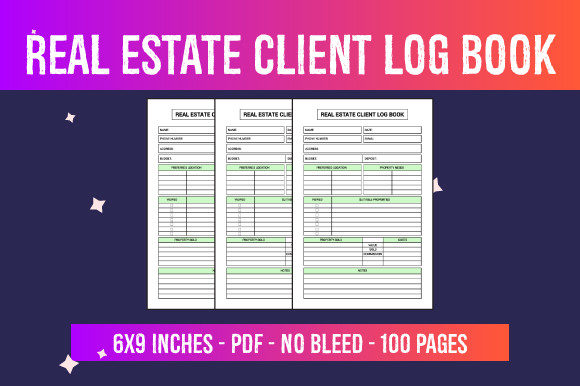
Real Estate Client Log Book Interior for KDP
Building a profitable portfolio on Amazon KDP or other Print on Demand platforms often comes down to solving specific problems for niche audiences. While generic journals and notebooks saturate the market, specialized tools like a Real Estate Client Log Book interior offer a distinct advantage. This ready-to-use PDF resource is designed specifically for publishers who want to provide tangible value to real estate agents, brokers, and property investors without spending dozens of hours formatting pages in InDesign or Canva. By utilizing a pre-formatted 100-page interior, you bypass the technical learning curve and focus entirely on cover design, keyword research, and marketing.
The core appeal of this digital asset lies in its immediate usability. It is not merely a collection of blank lines; it is a structured system tailored to the daily workflow of real estate professionals. Agents need to track buyer preferences, seller motivations, property showings, and follow-up dates. A well-designed log book serves as both a physical CRM and a compliance tool, helping professionals maintain organized records that digital apps sometimes fail to capture reliably during field work. When you publish this interior, you are selling organization and peace of mind to a demographic that values efficiency above almost everything else.
Technical Specifications and File Quality
Success in low and no-content publishing depends heavily on print quality and formatting accuracy. This Real Estate Client Log Book interior eliminates common rejection risks associated with DIY formatting. The file is provided as a high-resolution PDF, ensuring crisp text and clean lines even when printed on standard KDP white paper. Blurry interiors lead to negative reviews, so starting with a professional-grade source file is non-negotiable for building a sustainable brand.
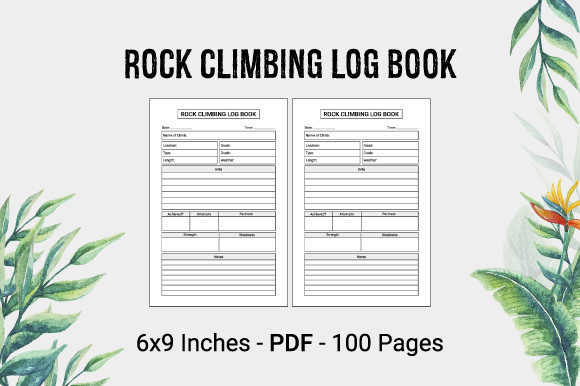
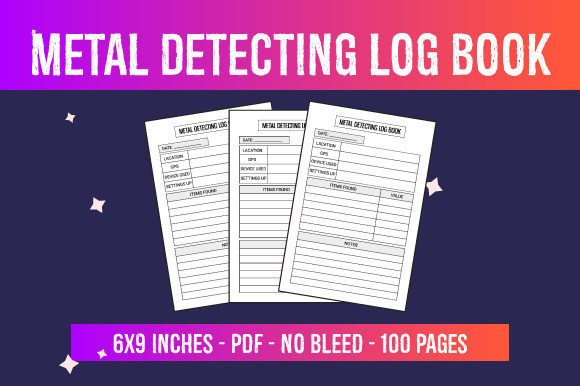
- Trim Size: 6″ x 9″ inches, the industry standard for portable professional log books that fit easily into briefcases, glove compartments, and desk organizers.
- Page Count: 100 pages, offering substantial utility without making the book too heavy or expensive to print.
- Bleed Settings: Configured for No Bleed, which simplifies the cover creation process and ensures all content remains safely within the printable margins.
- Format: High-Resolution PDF ready for direct upload to KDP, Lulu, or IngramSpark.
The "No Bleed" specification is particularly advantageous for new publishers. It removes the complexity of extending background elements to the edge of the page, reducing the likelihood of formatting errors during the proofing stage. This allows you to pair the interior with a wider variety of cover designs, from minimalist typography to full-wrap photography, without worrying about safe zone violations affecting the interior layout.
Practical Applications for Real Estate Professionals
Understanding how your end customer uses this product is essential for writing compelling book descriptions and selecting relevant keywords. Real estate agents operate in a high-pressure environment where details matter. A missed follow-up date or a forgotten client preference can cost thousands of dollars in commissions. This log book interior addresses those pain points directly by providing dedicated spaces for critical data entry.
For buyers' agents, the interior facilitates quick note-taking during open houses and private showings. Instead of scrambling through loose papers or phone notes, they have a centralized location to record property addresses, price points, square footage, and specific client feedback. For listing agents, it serves as a communication log to document conversations with sellers, inspection findings, and marketing milestones. Investors may use it to track potential deals, renovation costs, and rental income projections. This versatility makes the Real Estate Client Log Book interior a flexible product that appeals to multiple segments within the property industry.
Strategic Advantages for POD Publishers
Time is the most valuable currency for KDP entrepreneurs. Creating a functional, aesthetically pleasing log book interior from scratch requires significant time investment in layout design, font selection, and margin calculation. Even experienced designers can spend ten to twenty hours perfecting a single template. By acquiring this ready-to-use Real Estate Client Log Book interior, you reduce production time to mere minutes. This efficiency allows you to test multiple cover variations and niches rapidly, increasing your chances of finding a winning product.
Furthermore, using a professionally structured interior enhances your credibility. Customers can often distinguish between a hastily assembled notebook and a thoughtfully designed tool. The consistent spacing, clear headers, and logical flow of this 100-page template signal quality. When a potential buyer looks inside via Amazon's "Look Inside" feature, they should immediately recognize that this book was made for their profession, not just repurposed from a generic diary. This perceived value directly influences conversion rates and supports higher price points compared to basic lined journals.
Navigating Commercial Use and Licensing
Before publishing any third-party interior, it is vital to understand the licensing terms. Most ready-to-use PDF files for KDP come with specific usage rights. Typically, these allow you to use the interior as-is or with minor modifications for commercial publication on POD platforms. However, they usually prohibit reselling the digital file itself or distributing it as a standalone freebie. Always review the license agreement included with your purchase to ensure compliance.
To make your version of the Real Estate Client Log Book interior stand out, consider adding unique value where permitted. Some licenses allow you to add a branded introduction page, a resources section, or local market tracking sheets. These small additions differentiate your book from others using the same base template. Even if the license restricts modification, your cover design, title optimization, and backend keywords will be unique. Focus your creative energy on these external elements to create a distinct product identity while leveraging the proven internal structure.
Optimizing Your Listing for Visibility
Having a great interior is only half the battle; customers must be able to find it. When listing your Real Estate Client Log Book, avoid generic titles like "Real Estate Notebook." Instead, be descriptive and benefit-oriented. Titles such as "Real Estate Client Tracker: Property Showing Log & Contact Journal for Agents" communicate exactly what the book does. In your description, highlight the specific features of the interior, such as the 6x9 size and the 100-page count, but frame them as benefits. Explain that the compact size fits in a jacket pocket and that the page count provides months of tracking capability.
Keyword research should target long-tail phrases that agents actually search for. Terms like "realtor closing gift," "property management logbook," "open house sign-in sheet alternative," and "real estate transaction coordinator tools" often have lower competition than broad terms. Analyze competitor listings to identify gaps in their descriptions or features. If competitors offer similar interiors but lack detailed explanations of how to use them, your comprehensive listing can capture that traffic. Remember that Amazon’s algorithm favors relevance and sales velocity, so aligning your metadata precisely with the user intent behind the Real Estate Client Log Book interior is crucial for long-term success.
Evaluating Quality Before Publication
Never upload a purchased PDF without thorough vetting. Download the file and inspect every page at 100% zoom. Check for alignment issues, spelling errors in headers, or inconsistent line weights. Order a physical proof copy before launching to verify that the margins feel comfortable for handwriting and that the paper opacity is sufficient for pen use. Real estate agents often use gel pens or markers; if bleed-through is excessive, it ruins the user experience. While you cannot change KDP’s paper stock, confirming the interior’s ink density helps prevent customer dissatisfaction.
Consider the competitive landscape as part of your evaluation. Search Amazon for existing real estate log books and analyze their interiors through previews. Does this Real Estate Client Log Book interior offer better organization? Is the font more readable? Are the fields more relevant to modern real estate practices? If the answer is yes, you have a viable product. If the market is saturated with identical templates, you may need to rely heavily on superior cover design and niche targeting to gain traction. Continuous market analysis ensures that your investment in digital assets translates into actual sales and positive reader engagement.