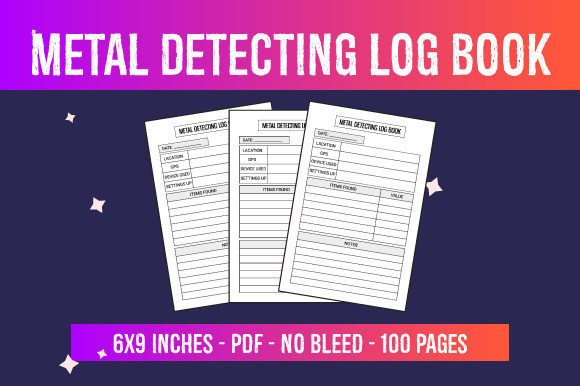
KDP Interior: Metal Detecting Log Book Essentials
The low-content publishing market has matured significantly, moving beyond generic lined notebooks into specialized tools that serve specific communities. Among these niches, the metal detecting community stands out as a dedicated group of hobbyists who value organization and record-keeping. A well-designed KDP Interior - Metal Detecting Log Book bridges the gap between a simple diary and a functional field tool. For creators and entrepreneurs in the Print on Demand space, this specific interior offers a pathway to build authority in a passionate micro-niche without requiring extensive writing or illustration skills.
This ready-to-use PDF resource provides a foundational structure for publishers looking to enter the outdoor hobbyist market. Rather than spending weeks designing grids and tables from scratch, you gain immediate access to a professional layout optimized for Amazon’s printing standards. The utility of this file lies in its specificity; it addresses the actual data points a detectorist needs to track, such as GPS coordinates, target depth, signal strength, and soil conditions. By providing a solution to a real organizational problem, your publication becomes a valuable asset rather than just another blank book.
Technical Specifications and Publishing Readiness
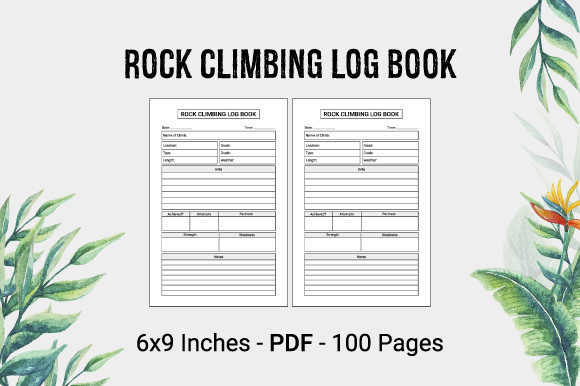
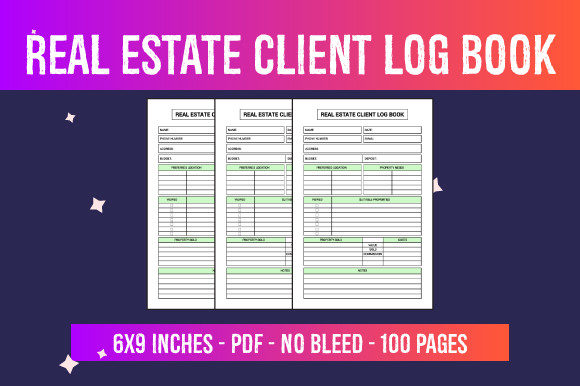
Success in KDP relies heavily on technical precision. A beautiful design that fails during the upload process is a wasted opportunity. This digital asset is engineered to eliminate common formatting errors that plague new publishers. The file comes in a standard 6″ x 9″ dimension, which is widely considered the sweet spot for field journals. It is portable enough to fit in a backpack or cargo pocket yet offers sufficient surface area for legible handwriting and detailed notes.
The package includes 100 pages of high-resolution content, ensuring crisp lines and text even when printed on standard white paper. Crucially, the files are provided with correct bleed settings. Understanding bleed is essential for any POD business; if your interior elements extend to the edge of the page, improper margins will result in rejection or trimmed content. These pre-formatted interiors remove the guesswork, allowing you to focus on marketing and cover design rather than troubleshooting margin warnings in the KDP previewer.
What Is Included in the Digital Asset
- Dimensions: Industry-standard 6″ x 9″ inches, optimized for portability and cost-effective printing.
- Page Count: 100 unique interior pages, providing substantial value without pushing the book into a higher pricing tier.
- Bleed Configuration: Properly formatted "No Bleed" settings to ensure safe margins and compliance with KDP guidelines.
- File Quality: High-resolution PDF files suitable for professional print reproduction.
- Usability: Ready-to-upload format requiring only a compatible cover file to complete the project.
Strategic Adaptation for Diverse Audiences
While the core content is fixed, the positioning of your book can vary dramatically based on how you package it. The metal detecting demographic is not monolithic; it ranges from weekend beachcombers to serious historical relic hunters. Your cover design, title, and description should signal exactly who this logbook is for. A minimalist, rugged aesthetic might appeal to those hunting in forests and fields, while a brighter, nautical theme could target beach detectorists. The interior remains the same, but the context changes to meet specific user expectations.
Educators and youth program leaders can also leverage this interior. Metal detecting is increasingly used as a hands-on history lesson and an outdoor STEM activity. By repositioning the logbook as a "Junior Archaeologist Field Journal" or a "History Discovery Log," you open up an entirely new market segment. In this context, the structured data entry fields help teach scientific observation and documentation skills. This versatility makes the KDP Interior - Metal Detecting Log Book a flexible asset that can be tested across multiple sub-niches with minimal additional investment.
Creative Variations and Project Ideas
- The Regional Specialist: Create a series of logbooks tailored to specific geographic areas. While the interior is universal, your cover and metadata can target "Metal Detecting in the Pacific Northwest" or "Relic Hunting in Virginia." Localized keywords often have lower competition and higher conversion rates.
- The Gift Edition: Position the book as a companion gift for new detector owners. Bundle ideas in your marketing copy suggesting it pairs well with pinpointer tools or finds pouches. Holiday seasons and Father’s Day are peak times for this type of cross-promotional positioning.
- The Club Resource: Reach out to local metal detecting clubs or online forums. Offer the logbook as a standardized recording method for club digs or competitions. Bulk sales or direct referrals from community leaders can provide steady organic traffic.
- The Educational Workbook: Add a custom introduction page (if you choose to modify the PDF later) that explains the importance of preserving history through proper logging. This adds perceived value and distinguishes your product from generic competitors.
Maintaining Quality and User Experience
In the low-content space, user experience is defined by usability. Before publishing, always order a physical proof copy. Digital previews cannot replicate the tactile experience of writing in a field journal. Check the line weight of the tables; they should be dark enough to see clearly outdoors in varying light conditions but light enough not to overwhelm handwritten notes. Verify that there is adequate whitespace for users with larger handwriting. If the interior feels cramped, customers will leave negative reviews regardless of how good the concept is.
Consistency builds trust. If you plan to create a series of hobbyist logbooks, maintain uniform typography, table structures, and branding elements across all titles. When a customer buys your fishing logbook after enjoying your metal detecting journal, they should feel a sense of familiarity. This cohesive approach encourages brand loyalty in a marketplace often dominated by disjointed, one-off products. Your goal is to become a go-to publisher for outdoor enthusiasts, not just a seller of random PDFs.
Ethical Considerations and Community Standards
The metal detecting community places high value on ethics and legality. Responsible detectorists follow codes of conduct regarding private property, historical preservation, and filling holes. You can enhance the value of your logbook by including a brief code of ethics or a permission tracker section within your marketing materials or future iterations. Demonstrating that you understand the culture goes a long way. Avoid using imagery or language that glorifies looting or trespassing. Aligning your brand with responsible hobbyist practices protects your reputation and resonates with serious practitioners who are most likely to purchase premium organizational tools.
Optimizing for Discoverability and Value
Having a high-quality interior is only half the equation; potential buyers must be able to find it. Semantic SEO plays a vital role here. Beyond broad terms like "metal detecting," incorporate long-tail phrases that reflect actual user intent. Terms like "detectorist find log," "relic hunting record keeper," or "beach combing journal" capture shoppers at different stages of their search journey. Analyze competitor listings to identify gaps. Are existing books too expensive? Do they lack specific tracking fields? Use these insights to refine your product description and highlight the specific advantages of your 100-page format.
Ultimately, the KDP Interior - Metal Detecting Log Book represents a balance of efficiency and specialization. It allows creators to bypass the steep learning curve of technical book formatting while delivering a product that genuinely serves a niche community. Whether you are a seasoned publisher expanding your catalog or a hobbyist turning passion into profit, this ready-to-use resource provides a solid foundation. Success comes not just from uploading a file, but from understanding the people who will use it and respecting the craft they love. By focusing on practical utility and authentic engagement, you transform a simple PDF into a sustainable business asset.