Evaluating the Pottery Project Book Interior for KDP Publishing
For publishers operating within the Amazon Kindle Direct Publishing (KDP) ecosystem, sourcing high-quality interiors is often the most significant bottleneck in the production workflow. The Pottery Project Book interior template addresses this specific friction point by providing a pre-formatted, ready-to-use PDF designed specifically for the low and no-content book market. This digital asset consists of 100 pages structured to support pottery enthusiasts, students, and hobbyists in documenting their ceramic work. When evaluating this resource for a Print on Demand (POD) business, it is necessary to look beyond the convenience factor and assess its technical specifications, market viability, and alignment with current publishing standards.
Defining the Asset and Technical Specifications
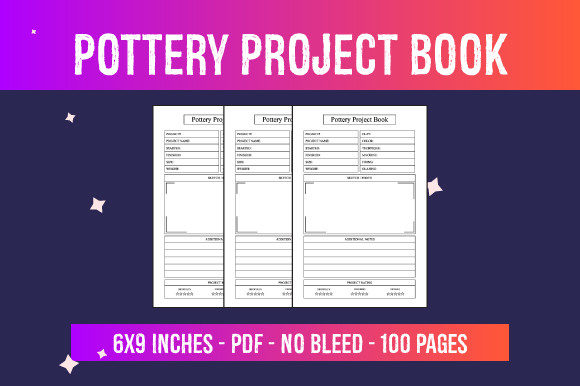
The Pottery Project Book is not a manuscript containing instructional text; rather, it is a structural framework intended to serve as the internal content of a published journal. Understanding the precise technical parameters is essential for avoiding formatting errors during the KDP upload process. This specific file is configured with the following attributes:
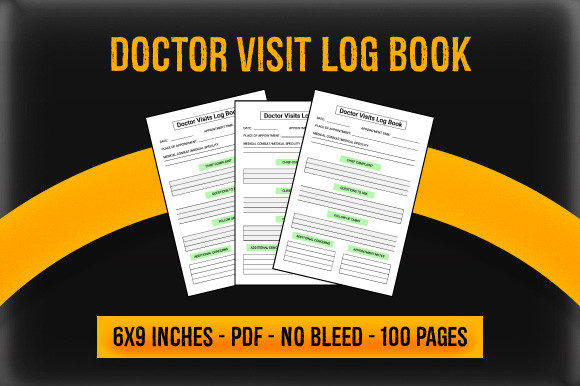
- Trim Size: 6″ x 9″ inches, which is the industry standard for trade paperbacks and journals.
- Page Count: 100 pages, meeting the minimum threshold for spine text on KDP while keeping printing costs low.
- Bleed Settings: No Bleed. This indicates that all content elements are contained within the safe margin area, simplifying the cover design process and reducing the risk of rejection due to trim line violations.
- File Format: High-resolution PDF. This ensures crisp printing quality for lines, grids, and tracking tables, which is critical for functional notebooks.
These specifications suggest a product designed for efficiency. The "no bleed" setting is particularly relevant for publishers who create covers using automated tools or templates, as it removes the complexity of extending artwork past the trim edge. However, users must verify that their cover file matches these exact dimensions before uploading, as mismatched bleed settings are a primary cause of publication delays.
Strategic Value for Low-Content Publishers
The primary value proposition of this Pottery Project Book interior lies in time allocation. Creating a functional, niche-specific journal from scratch requires research into pottery workflows, graphic design proficiency, and iterative testing to ensure margins are correct. For a publisher managing multiple titles, this template consolidates those hours into a single acquisition cost.
From a market perspective, pottery is a distinct niche with specific documentation needs that generic lined journals cannot satisfy. Ceramic artists require spaces to record clay body types, glaze recipes, firing temperatures, kiln schedules, and shrinkage rates. A specialized interior signals relevance to the buyer. When a customer searches for a pottery logbook, they are typically looking for structured data entry points rather than blank space. This template provides that structure, potentially leading to higher conversion rates compared to generic alternatives because it solves a specific organizational problem for the end user.
Tradeoffs and Limitations to Consider
While pre-made interiors offer speed, they introduce specific tradeoffs that must be weighed against business goals. The most significant consideration is exclusivity. Ready-to-use PDF files are generally non-exclusive assets. If this Pottery Project Book template is sold to multiple publishers, there is a risk of market saturation where several books share identical interiors. Amazon’s algorithms may eventually flag duplicate content, or customers may leave negative reviews if they feel they have purchased a generic product indistinguishable from others.
Furthermore, the fixed 100-page count limits flexibility. Some pottery projects require extensive documentation that might necessitate 120 or 150 pages, while others might only need 60. By utilizing a static template, the publisher accepts these constraints. Customization is also limited; while one can add introductory pages or modify the title page, the core layout remains unchanged. If the interior lacks a specific field relevant to a sub-niche (e.g., wheel throwing vs. hand building), the publisher cannot easily alter the existing pages without recreating the file entirely.
Publishers should also consider the long-term viability of the asset. Trends in low-content publishing shift rapidly. A template that performs well today may become obsolete if user preferences change or if Amazon updates its quality guidelines regarding repetitive content. Relying solely on purchased templates builds a business on rented land rather than proprietary intellectual property.
Ideal Use Cases and Target Audience
Despite the limitations, the Pottery Project Book interior is a strong fit for specific scenarios. It is particularly valuable for:
- New Publishers: Those learning the KDP platform who need a technically compliant file to understand the upload and proofing process without the pressure of designing from scratch.
- Portfolio Diversification: Established publishers looking to test the ceramics niche with minimal upfront investment before committing to custom design work.
- Seasonal Campaigns: Publishers creating gift guides for art students or holiday shoppers who need a fast turnaround time to capture seasonal traffic.
- Bundling Strategies: Creators who plan to use this interior as a base but intend to differentiate the product through unique cover design, enhanced descriptions, and A+ Content that highlights specific features.
In these contexts, the template serves as a foundational tool rather than a complete business solution. It lowers the barrier to entry and allows for rapid market testing.
When to Seek Alternatives
There are distinct situations where purchasing this ready-to-use PDF may not align with strategic objectives. Publishers aiming to build a recognizable brand identity should avoid stock interiors. Brand loyalty in the journal space is built on consistent, unique user experiences that proprietary designs provide. If the goal is to create a premium product priced significantly above the market average, a generic template often fails to justify the price point. Discerning buyers in the arts and crafts community frequently inspect "Look Inside" previews and can identify mass-produced layouts.
Additionally, if a publisher identifies a gap in the current pottery journal market—such as a lack of resources for specific glazing techniques or studio management—a pre-made template will likely fail to address that need. In such cases, hiring a freelance designer or learning layout software yields a better return on investment by creating a defensible product. Finally, publishers concerned strictly with copyright safety and uniqueness should prioritize original creation, as this eliminates any ambiguity regarding licensing terms or duplicate content penalties.
Making an Informed Decision
Selecting the Pottery Project Book interior for a KDP business requires balancing efficiency against differentiation. The decision should be driven by the publisher's current stage and specific goals. For validation and speed, this 6x9, 100-page, no-bleed PDF offers a practical entry point into the ceramics niche. It removes technical hurdles and provides immediate inventory.
However, sustainable growth in the POD sector increasingly favors uniqueness and value addition. If utilizing this template, publishers should view it as a starting component. Success will likely depend less on the interior file itself and more on how the product is positioned through cover design, keyword research, and marketing. Evaluate whether this asset fills a temporary gap in your catalog or serves as a long-term pillar. By understanding both the utility and the constraints of ready-to-use files, publishers can integrate them effectively without compromising the integrity or longevity of their publishing business.