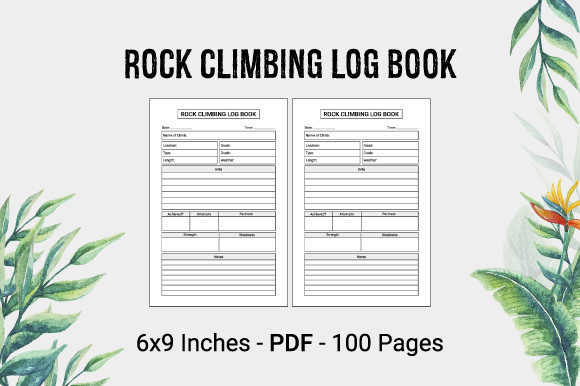
KDP Interior: Rock Climbing Log Book Design
The niche of outdoor adventure journals requires a specific balance between rugged functionality and clean organization. When creating a KDP Interior - Rock Climbing Log Book, the design must serve as a reliable tool for athletes who need to record data quickly, often in less-than-ideal lighting or weather conditions. This ready-to-use PDF resource provides a 100-page foundation specifically structured for climbers, boulderers, and alpinists. Unlike generic notebooks, this interior understands the unique data points required in vertical sports, offering a layout that feels authentic to the community rather than a repurposed diary.
For publishers and entrepreneurs in the Print on Demand space, the visual personality of this log book is grounded and utilitarian. It avoids overly decorative flourishes that might distract from data entry. Instead, it employs a modern typography approach where clarity reigns supreme. The aesthetic appeals to adults aged 20–50 who value gear that performs as well as it looks. Whether your target audience is a weekend sport climber or a dedicated trad enthusiast, the interior’s style communicates professionalism and niche expertise, which are critical factors in converting browser interest into sales on Amazon.
Typography and Layout Hierarchy for Data Entry
In functional publishing, font choice is not merely an artistic decision; it is a user experience necessity. The KDP Interior - Rock Climbing Log Book utilizes a strategic combination of typefaces to establish a clear visual hierarchy. A bold, condensed sans serif font typically anchors the headers, ensuring that categories like "Route Name," "Grade," and "Conditions" are instantly scannable. This is essential for readability when a user is flipping through pages at the crag or gym to reference past ascents.
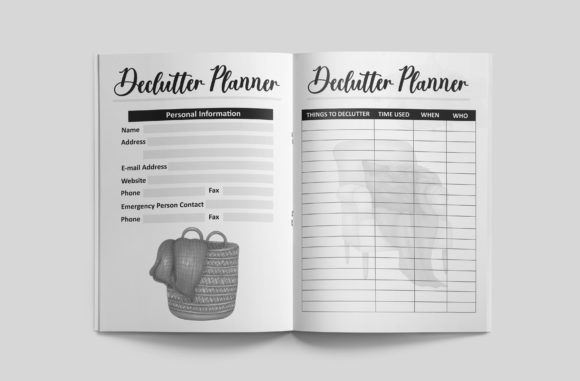
Conversely, the writing areas benefit from ample whitespace and subtle guide lines. While a script font or handwritten font might look appealing on a cover, they are rarely appropriate for the data fields inside a technical log. However, incorporating a handwritten-style element for section dividers or motivational quotes can add a touch of organic warmth without sacrificing utility. This careful font pairing ensures the book feels human and crafted, yet remains highly legible. For KDP creators, understanding this distinction prevents the common mistake of prioritizing decoration over function, which often leads to negative reviews regarding usability.
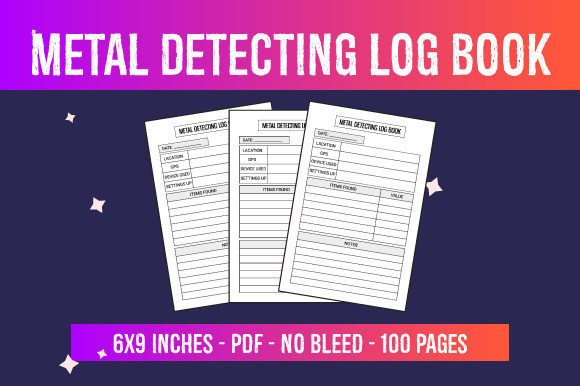
The dimensions of 6″ x 9″ are the industry standard for this category, striking a perfect balance between portability and writing surface area. This size accommodates standard backpack pockets while providing enough horizontal space for detailed route descriptions. The included high-resolution PDF files respect these physical constraints, ensuring that margins and gutters are calculated correctly for both bleed and no-bleed printing options. This technical precision protects your brand reputation by preventing text from being trimmed off during the manufacturing process.
Strategic Applications Across Publishing Niches
While designed for climbing, the structural principles within this interior apply broadly across the outdoor recreation market. Entrepreneurs can leverage this asset as a base for various related products. The same organizational logic works exceptionally well for hiking logs, mountaineering expedition journals, or even fitness tracking books for cross-training athletes. By understanding the core utility of the KDP Interior - Rock Climbing Log Book, you can adapt the concept to adjacent niches with minimal friction.
From a branding perspective, consistency in interior design helps build recognition for your publishing imprint. If you produce a series of outdoor journals, maintaining similar typographic standards and layout grids creates a cohesive brand identity. Readers who appreciate the usability of your climbing log will trust that your kayaking or camping journals offer the same level of thoughtful design. This cross-pollination is vital for long-term success in the low-content book market, where building a loyal customer base is more sustainable than chasing individual viral trends.
Digital integration also presents opportunities. Many modern climbers use apps alongside physical books. You can enhance this PDF interior by adding QR codes or designated spaces for digital syncing notes, bridging the gap between analog recording and digital analysis. This forward-thinking approach elevates the product above basic competitors and appeals to tech-savvy users who value hybrid workflows.
Evaluating Quality and Commercial Viability
Before publishing any ready-to-use asset, a thorough quality audit is non-negotiable. Even with a premium resource like this 100-page PDF, you must verify that the design aligns with current market expectations. Check the line weight of the tables and boxes; lines that are too thick can feel heavy and dated, while lines that are too thin may disappear during the KDP printing process. The high-resolution nature of these files should guarantee crisp edges, but always order a physical proof to test how the ink sits on the paper stock.
Readability considerations extend beyond font selection to include contrast and spacing. Ensure there is sufficient leading (line spacing) in lined sections to accommodate different handwriting sizes. A common complaint in log book reviews is that the lines are too close together. This interior addresses that pain point, but you should always validate it against your specific target demographic. Testing font pairings against actual user feedback or competitor bestsellers can provide valuable insights into whether the current configuration meets market standards.
Commercial licensing and uniqueness are equally important. While this file is ready to publish, successful sellers often customize the asset to create a unique value proposition. Consider adding a custom introduction page, specialized grading conversion charts, or local crag etiquette guides. These additions transform a generic template into a proprietary product. Furthermore, ensure you understand the usage rights associated with the file. Legitimate commercial use allows you to sell the compiled book, but typically prohibits reselling the digital file itself. Respecting these boundaries maintains professional integrity and protects the ecosystem of design assets that creators rely on.
Optimizing for Search and User Intent
Creating a great product is only half the battle; ensuring it reaches the right audience requires alignment with search intent. When listing your KDP Interior - Rock Climbing Log Book, your description should highlight the specific features that solve user problems. Mention the 6x9 size, the 100-page count, and the specific data fields included. Avoid keyword stuffing; instead, weave terms like "bouldering tracker," "redpoint journal," and "outdoor adventure log" naturally into sentences that describe the book's utility.
Visual marketing materials should showcase the interior pages clearly. Potential buyers need to see the layout to judge if it fits their needs. Create mockups that display the open spread, highlighting the modern typography and organized table structures. This transparency reduces return rates and increases customer satisfaction because buyers know exactly what they are purchasing. In the POD business, trust is built through accurate representation and consistent quality.
Ultimately, the value of this digital file lies in its ability to accelerate your production workflow without compromising on professional standards. It serves as a robust skeleton upon which you can build a distinctive brand. By focusing on real-world usability, respecting typographic best practices, and validating the design through physical proofs, you transform a simple PDF into a valuable tool for the climbing community. This user-first approach not only satisfies Google’s Helpful Content guidelines but also builds a sustainable publishing business rooted in genuine utility and quality craftsmanship.