Pottery Journal: Premium KDP Interior Assets
Streamlining your print-on-demand workflow begins with high-quality foundational assets, and a professionally structured Pottery Journal interior serves as an essential resource for creators in the low-content publishing niche. For graphic designers and KDP entrepreneurs, the challenge often lies not in generating ideas but in executing clean, print-ready layouts that meet strict platform specifications without consuming hours of production time. This ready-to-use PDF file eliminates technical guesswork, allowing you to focus on cover design, branding, and marketing strategy while ensuring the internal user experience remains polished and consistent.
Technical Precision in Editorial Design
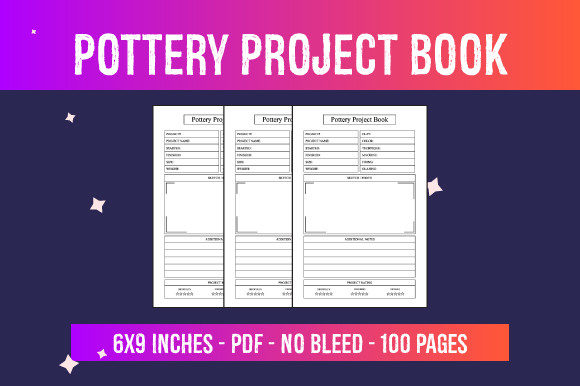
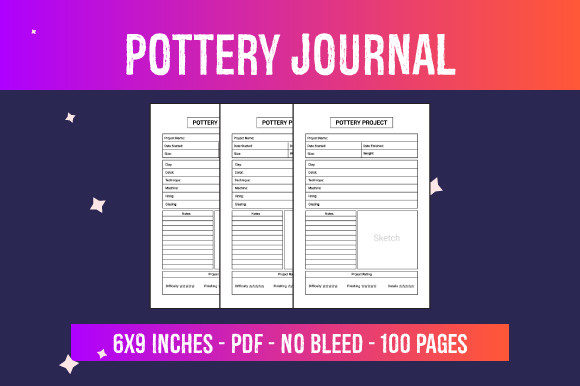
In the realm of self-publishing and digital product creation, technical accuracy is just as vital as aesthetic appeal. A common pitfall for new publishers is improper margin settings or bleed configuration, which can lead to rejected files or poor print quality. This 100-page template addresses these pain points by providing a pre-formatted 6″ x 9″ layout that adheres to industry standards. Whether you select the bleed or no-bleed version, the high-resolution PDF ensures crisp lines and professional presentation. From a UX design perspective, this consistency creates a seamless experience for the end-user, reinforcing the perceived value of your brand identity through meticulous attention to detail.
What’s Included in the Digital Asset
Understanding the specific deliverables helps integrate this asset into your broader design workflow efficiently. The package is optimized for immediate deployment across Amazon KDP and other POD platforms:
- Dimensions: Standard 6″ x 9″ inches, ideal for portable journaling and sketching.
- Page Count: 100 pages of structured interiors tailored for pottery enthusiasts.
- Bleed Options: Includes both bleed and no-bleed variations to suit different cover design strategies.
- File Quality: High-resolution PDF files ensuring sharp typography and line work in print.
Enhancing Brand Identity Through Niche Interiors
Successful low-content books rely heavily on cohesive visual communication. While the interior provides the functional framework, it also acts as a canvas for your unique brand voice. When designing your cover and marketing materials, consider how the internal structure complements your external aesthetics. A Pottery Journal targeted at ceramic artists requires a different visual hierarchy and color palette than one aimed at casual hobbyists. By utilizing a standardized interior, you create a reliable baseline that allows your cover art, logo design, and social media graphics to shine without competing with chaotic or inconsistent page layouts.
This alignment extends to digital marketing efforts. When creating promotional content for Instagram or Pinterest, showcasing the clean, organized interior pages builds trust with potential buyers. It demonstrates that the product is not merely a blank notebook but a thoughtfully designed tool. This level of professional presentation distinguishes your listing in a saturated marketplace, signaling to customers that you understand their specific needs as creatives.
Strategic Applications for Creators
Beyond direct publishing, these ready-to-use interiors serve multiple functions within a creative business ecosystem:
- Rapid Prototyping: Test new niche concepts quickly without investing days in custom layout design.
- Series Development: Maintain uniformity across a collection of journals to strengthen brand recognition.
- Merchandise Expansion: Adapt the interior structure for related physical products like planners or sketchbooks.
- Client Deliverables: Offer customized journal solutions as part of a broader branding package for art studios or workshops.
Evaluating Quality in Low-Content Assets
When selecting creative assets for commercial use, prioritize scalability and versatility. A well-designed interior should offer enough white space for user customization while maintaining a strong editorial grid. Pay attention to the weight of lines and the choice of typography; elements should be subtle enough to recede when handwritten content is added but distinct enough to guide the user. Additionally, ensure the file format supports future modifications if you decide to rebrand or update the series later. Investing in premium, high-resolution templates ultimately saves time and elevates the overall quality of your catalog, turning a simple digital file into a cornerstone of a sustainable publishing business.
Thoughtful design choices transform generic templates into valuable tools that resonate with specific audiences. By leveraging professionally crafted interiors, you ensure that every aspect of your product—from the tactile feel of the printed page to the visual promise of the cover—communicates quality and intentionality. In a competitive digital landscape, this dedication to usability and aesthetic coherence is what converts casual browsers into loyal customers and establishes lasting authority in your chosen niche.