Evaluating the Movie Critics Journal Interior for KDP Publishing
The self-publishing landscape on Amazon Kindle Direct Publishing (KDP) has evolved significantly, moving beyond simple lined notebooks toward specialized, niche-specific journals. For publishers targeting film enthusiasts, students, and aspiring reviewers, the Movie Critics Journal Interior represents a functional middle ground between generic note-taking and complex content creation. This digital asset typically consists of a 100-page PDF file formatted specifically for print-on-demand production. Understanding the utility, limitations, and strategic application of this interior is essential for determining whether it aligns with current publishing goals or if alternative formats would yield better long-term results.
Defining the Asset and Technical Specifications
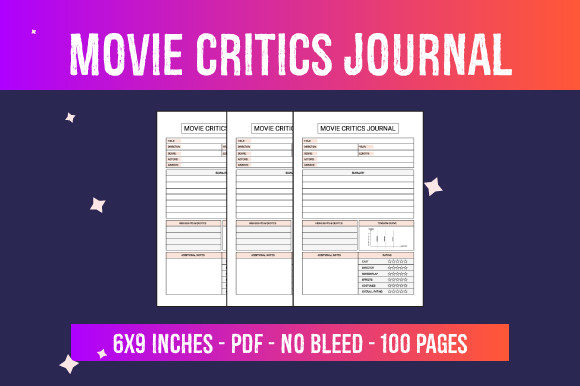
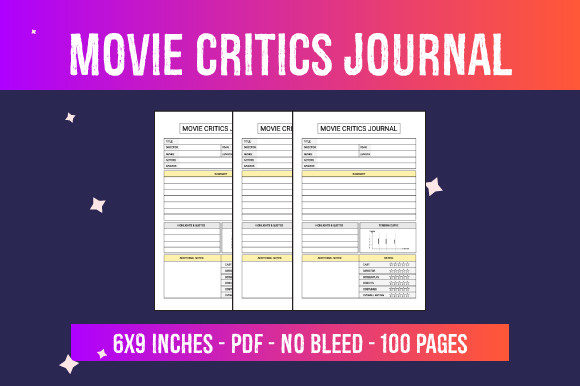
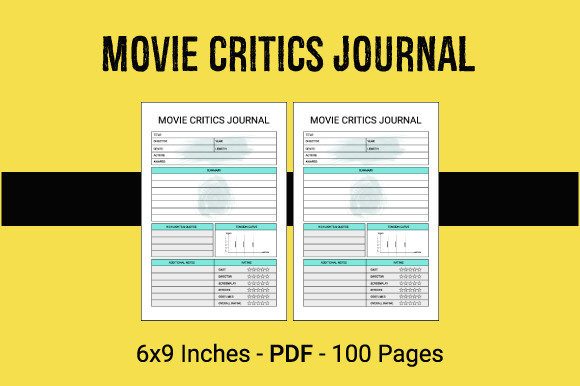
At its core, a Movie Critics Journal Interior is a pre-formatted manuscript designed to streamline the publishing process for low and medium-content books. Unlike high-content books that require extensive writing and editing, this resource provides the structural framework necessary for users to document their film-viewing experiences. The standard specification for this asset includes a 6″ x 9″ trim size, which is widely considered the industry standard for portable journals and trade paperbacks. This dimension offers a balance between portability and sufficient writing space, making it compatible with standard bookshelf storage and travel bags.
The technical delivery usually involves high-resolution PDF files configured with no bleed. A no-bleed format ensures that all text and graphical elements remain within a safe margin, preventing critical content from being trimmed during the printing process. This specification reduces formatting errors and rejection risks during the KDP upload phase. With 100 pages included, the interior provides enough volume to be perceived as a substantial product by consumers while keeping printing costs low enough to maintain healthy royalty margins. Publishers should verify that the resolution meets the minimum 300 DPI threshold to ensure crisp lines and legible text in the final physical product.
Strategic Fit for Niche Audiences
Evaluating whether this interior suits a specific business model requires understanding the end-user. The Movie Critics Journal Interior is not designed for casual viewers who simply watch movies for entertainment. Instead, it targets individuals who engage with cinema analytically. This includes film students requiring structured notes for coursework, amateur critics building a portfolio, bloggers tracking viewing statistics, and cinephiles participating in annual viewing challenges. These demographics value structure over blank space. They are looking for prompts that guide their analysis of cinematography, directing, screenplay, and thematic elements rather than unlined pages.
For publishers, this specificity is the primary value proposition. In a saturated market where generic "movie journals" compete solely on cover design, a professionally structured interior differentiates the product based on utility. When a potential buyer uses the "Look Inside" feature on Amazon, seeing dedicated sections for rating scales, cast lists, and personal reflections signals that the book was designed with intention. This alignment between user intent and product functionality often leads to higher conversion rates compared to broader, less defined alternatives.
Benefits of Pre-Formatted Interiors
The most immediate advantage of utilizing a ready-to-use PDF is time efficiency. Designing a consistent, 100-page interior from scratch requires proficiency in layout software like Adobe InDesign or Affinity Publisher, alongside an understanding of KDP’s gutter and margin requirements. By acquiring a pre-made interior, publishers bypass the technical learning curve and reduce production time from days to minutes. This allows for rapid testing of multiple niches or cover designs without significant upfront labor investment.
Furthermore, standardized interiors mitigate quality control issues. Professional templates account for binding shifts and safe zones that novice designers often overlook. A common failure point in self-published journals is text disappearing into the spine gutter; a properly engineered Movie Critics Journal Interior will have adjusted inner margins to prevent this. Consistency across pages also enhances the user experience, creating a professional feel that encourages positive reviews and repeat customers.
Tradeoffs and Limitations to Consider
Despite the convenience, relying on pre-made interiors introduces specific constraints. The primary tradeoff is exclusivity. Because these files are sold as digital assets, other publishers may use the identical interior. If multiple sellers utilize the same template with similar covers, the marketplace can become diluted, making it difficult to stand out. While KDP does not penalize duplicate interiors per se, customer perception can suffer if they recognize the content as generic. Publishers must compensate for this lack of interior uniqueness through exceptional cover design, superior keyword research, and compelling marketing copy.
Another consideration is flexibility. A fixed 100-page, no-bleed PDF cannot be easily modified without source files. If market research suggests that customers prefer a 120-page version or a bleed layout for edge-to-edge graphics, the publisher is locked into the existing specifications. Additionally, some pre-made interiors may include branding or watermarks that conflict with the publisher's aesthetic. It is vital to review licensing terms carefully to ensure commercial rights are granted and to check for any residual attribution requirements that might detract from the brand identity.
Situational Analysis: When to Use vs. When to Customize
Determining whether to purchase a Movie Critics Journal Interior or create a custom solution depends on the publisher's current stage and resources. This asset is a strong fit for new publishers validating the film niche, established publishers expanding their catalog quickly, or those with strong graphic design skills for covers but limited layout expertise. It is also appropriate for seasonal projects where speed-to-market is critical, such as launching a journal ahead of award season or major film festivals.
Conversely, alternatives are worth considering for publishers aiming to build a premium brand with proprietary intellectual property. If the goal is to create a definitive guide or a unique system for film analysis that cannot be replicated, hiring a freelance designer or learning layout software is the superior path. Custom interiors allow for tailored page counts, unique prompt structures, and integrated branding elements that pre-made files cannot offer. Furthermore, if the target audience requires specialized features like spiral binding compatibility or specific paper weight considerations that influence layout, a custom approach ensures technical precision.
Practical Decision-Making Framework
Before integrating a Movie Critics Journal Interior into a publishing workflow, conduct a comparative analysis against top-selling competitors in the category. Examine their page counts, trim sizes, and interior previews. If the pre-made asset matches or exceeds the quality of current bestsellers, it is likely a viable option. However, if the market leaders offer significantly more value—such as additional reference pages, indexes, or educational content—the standard 100-page template may appear inadequate to discerning buyers.
Publishers should also calculate the royalty implications. At 6″ x 9″ with 100 pages, black and white ink on white paper, printing costs are generally minimal. Ensure that the acquisition cost of the interior file does not erode profit margins to unsustainable levels. Finally, consider the long-term strategy. A pre-made interior is an excellent tool for entry and validation, but successful products often evolve. Plan for future iterations where custom modifications or expanded content can transform a standard template into a distinctive brand asset. By weighing technical specifications against market demands and business objectives, publishers can make informed decisions that balance efficiency with product quality.