Launch Your KDP Business Faster with Ready-to-Use Garden Journal Interiors
The world of self-publishing has undergone a massive transformation in recent years, shifting from a gatekept industry to an accessible marketplace for creators and entrepreneurs alike. Among the most popular niches in this space is the low-content and no-content book category, specifically functional journals designed for hobbyists. The garden journal stands out as a perennial bestseller because it serves a passionate community that values organization, reflection, and planning. However, creating a high-quality interior from scratch can be a significant barrier to entry for new publishers. This is where ready-to-use PDF files for Print on Demand (POD) and Amazon Kindle Direct Publishing (KDP) change the landscape entirely.
For aspiring authors and side-hustlers, utilizing pre-designed interiors is not about cutting corners; it is about leveraging professional assets to build a sustainable business model. A comprehensive digital file containing 100 pages of KDP interiors allows you to bypass the steep learning curve of graphic design software while ensuring your final product meets the rigorous technical standards required by printing platforms. Understanding how these resources work, why they matter, and how to integrate them into your publishing workflow is essential for success in the modern digital economy.
Understanding the Role of Low-Content Books in Modern Publishing
To fully appreciate the value of a ready-made garden journal interior, one must first understand the ecosystem of low-content publishing. Unlike traditional novels or non-fiction books that rely heavily on word count, low-content books derive their value from utility and structure. They are tools rather than narratives. A garden journal, for example, is a specialized instrument for horticulturists, backyard farmers, and plant enthusiasts to track weather patterns, planting dates, harvest yields, and pest management strategies.
In the context of daily life and personal productivity, these journals bridge the gap between digital fatigue and tangible record-keeping. While there are countless apps for gardening, many users prefer the tactile experience of writing in a physical book. This preference drives demand on platforms like Amazon. By providing a structured 6″ x 9″ format, publishers offer a portable solution that fits easily into a pocket or tool belt, making it practical for use directly in the garden. The significance of this niche lies in its specificity; general notebooks often fail to capture the unique data points a gardener needs, whereas a dedicated interior provides prompts and layouts tailored to that exact purpose.
What Is Included in Professional KDP Interior Files
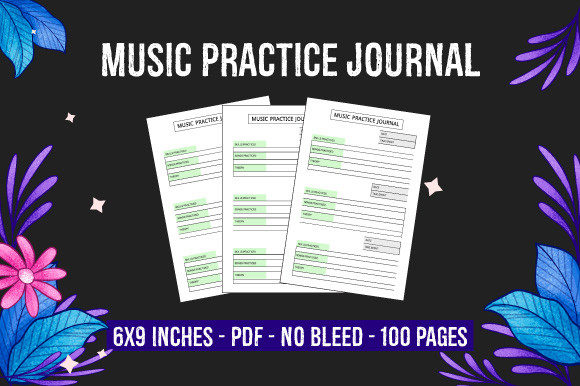
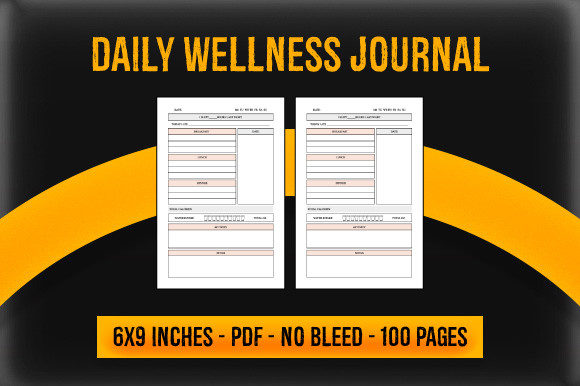
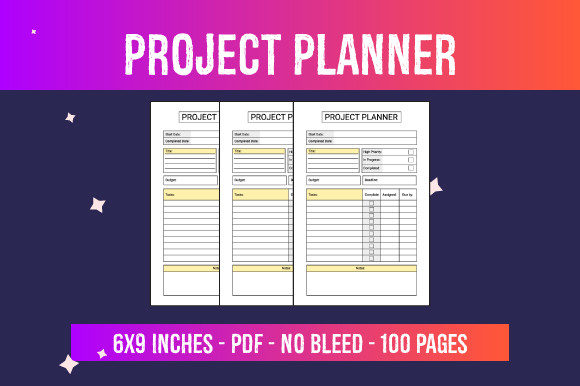
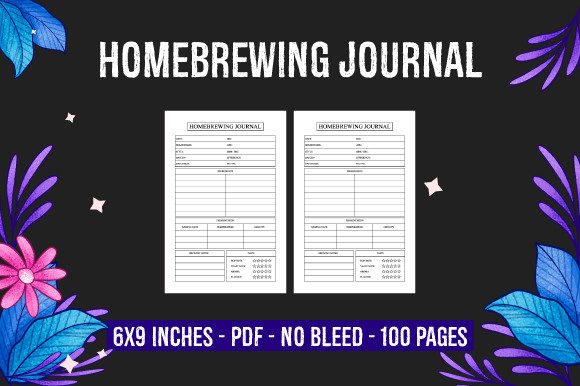
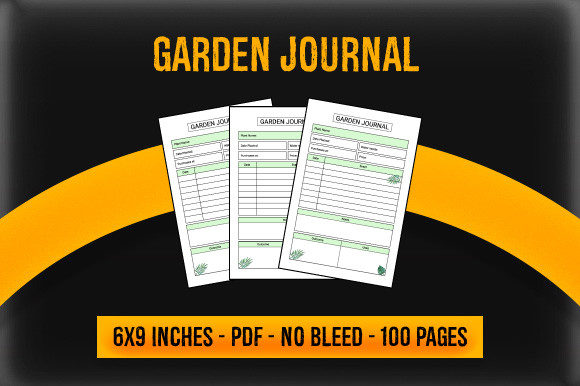
When sourcing or utilizing digital assets for KDP, clarity regarding specifications is paramount. A high-quality garden journal resource typically includes specific technical elements designed to prevent publishing errors and enhance user experience. Based on industry standards for premium POD interiors, here is what you should expect from a professional 100-page package:
- Optimized Dimensions: The standard 6″ x 9″ trim size is the gold standard for trade paperbacks in this niche. It offers enough surface area for detailed notes without being cumbersome to carry outdoors.
- Page Count Versatility: A 100-page count strikes the perfect balance. It is substantial enough to cover an entire growing season but thin enough to keep printing costs low, allowing for better profit margins.
- No Bleed Configuration: Most functional journals utilize a "no bleed" setting, meaning all text and graphics stay within the safe margin zone. This simplifies the upload process and reduces the risk of critical content being trimmed off during manufacturing.
- High-Resolution PDF Format: Print quality is non-negotiable. Files must be high-resolution (typically 300 DPI) to ensure crisp lines and legible text, which directly impacts customer reviews and return rates.
These specifications are not arbitrary; they represent the technical foundation upon which successful POD businesses are built. Using files that adhere to these parameters eliminates the guesswork for beginners and saves time for experienced publishers scaling their catalogs.
Streamlining the Path from Concept to Publication
One of the most common misunderstandings in the KDP community is the belief that every page of a book must be created manually to be considered authentic. In reality, professional publishing frequently involves the use of licensed stock assets, templates, and ghostwritten content. The skill lies in curation and presentation. When you acquire a ready-to-use garden journal interior, you are essentially acquiring a license to manufacture a product. Your creative contribution shifts from drawing lines on a page to designing a compelling cover, writing persuasive metadata, and marketing the book to the right audience.
This approach fits seamlessly into modern entrepreneurial workflows. For those balancing a full-time job or education with a side business, time is the scarcest resource. Designing a 100-page interior from zero could take dozens of hours of learning InDesign or Canva, followed by trial-and-error formatting. With a pre-formatted PDF, that timeline compresses to minutes. You simply add your cover art, merge the files if necessary, and upload. This efficiency allows for rapid testing of different sub-niches—perhaps a vegetable-specific journal versus an ornamental flower tracker—to see what resonates with buyers.
Customization and Adding Unique Value
While the interior file provides the skeleton, successful publishers know how to add muscle and skin to differentiate their products. Even when using standardized 100-page interiors, there is ample room for creativity. Consider how the interior interacts with your cover design. Does the cover promise a rustic, vintage aesthetic? Ensure the interior’s typography matches that vibe. Are you targeting scientific botanists? A clean, minimalist grid layout may be more appropriate than decorative floral borders.
Furthermore, you can enhance the base PDF by adding introductory content. Many top-selling garden journals include a few pages at the front featuring USDA hardiness zone maps, companion planting charts, or frost date calculators. These additions transform a generic notebook into a comprehensive reference guide. This strategy aligns with Google’s E-E-A-T (Experience, Expertise, Authoritativeness, and Trustworthiness) principles by demonstrating that you understand the end-user's needs beyond just selling blank paper. You are solving a problem, not just filling a catalog slot.
Navigating Technical Requirements and Quality Assurance
Even with ready-to-use files, publishers must remain vigilant about quality control. Technology evolves, and platform guidelines change. Always verify that the PDF dimensions match your KDP project setup exactly. A 6″ x 9″ file uploaded to a project set for 6.1″ x 9.1″ will result in rejection or poor print alignment. Additionally, check the margins. Although "no bleed" files have built-in safety zones, always preview the digital proof provided by Amazon before approving publication. This step ensures that binding gutters do not encroach on writing spaces, a common complaint in negative reviews for low-content books.
It is also vital to understand licensing terms. Not all PDF files found online are cleared for commercial KDP use. Legitimate ready-to-use interiors come with a commercial license that explicitly permits resale via POD platforms. Using unlicensed or copyrighted material can lead to account termination. Treat your digital asset library as a business inventory; only source from reputable creators who provide clear usage rights. This protects your investment and ensures long-term viability in the marketplace.
The Broader Impact on Creative Entrepreneurship
Beyond the mechanics of publishing, the availability of high-quality garden journal interiors represents a democratization of product creation. It lowers the barrier to entry for individuals who have marketing savvy or niche knowledge but lack design skills. This accessibility fosters a more diverse marketplace where consumers benefit from a wider variety of options. For educators, students, or retirees looking to generate passive income, these tools provide a tangible entry point into the digital economy.
Moreover, this model encourages continuous learning. As you publish using these templates, you naturally begin to analyze what makes certain layouts effective. You might notice that customers prefer wider spacing for handwriting or that monthly review sections drive higher engagement. Over time, this feedback loop informs future projects, potentially leading you to create custom interiors based on real market data. The ready-to-use file is not the destination; it is the vehicle that gets you to the starting line faster so you can begin the race of building a genuine brand.
Ultimately, success in the KDP garden journal niche comes down to execution. The 100-page, 6″ x 9″, high-resolution PDF is a powerful asset, but it requires a strategic mind to unlock its potential. By combining professional-grade interiors with thoughtful cover design, accurate keyword research, and a commitment to quality, you can build a publishing portfolio that serves real people with real passions. Whether you are launching your first book or your fiftieth, understanding the role and proper application of these digital resources is key to thriving in the ever-evolving world of self-publishing.