Designing Effective Asthma Journal Interiors for Print on Demand Success
The intersection of health management and self-publishing has created a significant niche for specialized tracking tools. Among these, the asthma journal interior stands out as a vital resource for patients, caregivers, and medical professionals seeking better data organization. For creators in the Print on Demand (POD) and Amazon Kindle Direct Publishing (KDP) space, offering a high-quality, ready-to-use PDF file for this specific purpose requires more than generic lined paper. It demands an understanding of respiratory health tracking, user experience design, and technical print specifications. A well-structured 100-page KDP interior serves as the functional backbone of these books, allowing publishers to focus on cover design and marketing while providing end-users with a practical tool for daily symptom management.
Functional Anatomy of a Respiratory Tracking Log
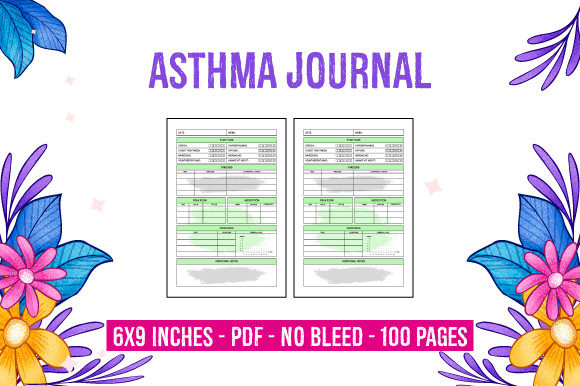
To create a truly useful asthma journal interior, one must understand what data points are essential for effective disease management. Unlike a standard diary, a respiratory log serves a clinical and personal function. The interior pages must facilitate quick entry during moments of distress while remaining comprehensive enough for medical review. A professional-grade template typically integrates several distinct tracking elements into a cohesive layout.
Peak Expiratory Flow (PEF) monitoring is often the centerpiece of these interiors. Users need dedicated spaces to record morning and evening readings, as variability between these two times can indicate worsening control. Alongside numerical data, the interior should provide structured areas for documenting triggers. Common environmental factors such as pollen counts, humidity levels, pet dander exposure, or smoke inhalation need specific checkboxes or short-entry fields. This reduces the cognitive load on the user, who may be fatigued or anxious when recording symptoms.
Medication tracking is another critical component. The interior must distinguish between controller medications (taken daily) and rescue inhalers (used as needed). Space for dosage, time of administration, and perceived effectiveness allows users and doctors to correlate medication adherence with symptom stability. Furthermore, subjective symptom rating scales—often using a simple 1-10 system or emoji-based indicators for younger users—help quantify feelings of chest tightness, wheezing, or shortness of breath that objective metrics might miss.
Technical Specifications for KDP Compliance
For a digital file to be genuinely "ready to use," it must adhere strictly to Amazon KDP’s manufacturing standards. The 6″ x 9″ dimension is the industry standard for health journals because it balances portability with sufficient writing space. This trim size fits easily into a purse, backpack, or medical bag, encouraging consistent use. When preparing the 100-page PDF, creators must decide between bleed and no-bleed configurations based on the intended design aesthetic.
A no-bleed interior keeps all content within a safe margin, typically 0.375 inches from the edge on the binding side and 0.25 inches on the outer edges. This is often preferred for text-heavy logs where readability near the gutter is paramount. Conversely, a bleed option allows background colors, decorative borders, or watermark graphics to extend to the very edge of the page. While visually appealing, bleed files require precise formatting to prevent crucial tracking fields from being trimmed during production. High-resolution output at 300 DPI is non-negotiable; fuzzy lines or pixelated text can render a medical journal unusable and lead to negative reviews.
Paper opacity also influences interior design decisions. Since KDP standard color paper is 55# (90 GSM), heavy ink coverage or double-sided printing can lead to ghosting. Effective asthma journal interiors account for this by using lighter line weights, avoiding solid black backgrounds, and ensuring that write-in fields on the left and right pages do not align perfectly if transparency is a concern. Testing the PDF on standard printer paper before publishing helps verify that the contrast is sufficient for handwriting without causing bleed-through issues.
User Experience and Accessibility Considerations
The target audience for asthma journals spans a wide demographic, from pediatric patients to elderly individuals with comorbidities. Consequently, the interior design must prioritize accessibility and ease of use. Font selection plays a massive role here. Sans-serif typefaces like Arial, Verdana, or Open Dyslexic fonts improve legibility for users with visual impairments or processing difficulties. Field labels should be clear and concise, avoiding medical jargon where simpler terms suffice.
White space is a functional element, not merely an aesthetic choice. During an asthma attack or period of respiratory distress, fine motor skills can diminish, and vision may blur. Cramped layouts with tiny input boxes create friction and discourage accurate recording. Generous spacing between entries, large checkboxes, and wide writing lines accommodate users with varying physical abilities. For pediatric versions of the asthma journal interior, incorporating visual cues, larger fonts, and simplified language transforms the book from a chore into an engaging habit-building tool.
Durability of the user experience extends to the book's structure. A 100-page count provides approximately three to four months of daily tracking, which aligns well with typical doctor visit intervals. Including monthly summary pages or quarterly review sections within the interior adds immense value. These aggregate pages allow users to visualize trends over time, identifying seasonal patterns or trigger correlations that daily entries alone might obscure. This analytical layer elevates the product from a simple notebook to a proactive health management system.
Market Positioning and Niche Differentiation
The low-content book market is saturated, making specificity the key to visibility. Generic "health trackers" struggle to compete against established medical brands. However, a dedicated asthma journal interior targets a specific pain point with tailored solutions. Successful publishers differentiate their offerings by addressing sub-niches within the respiratory community. Examples include journals specifically designed for exercise-induced asthma, occupational asthma for industrial workers, or school-based logs for children managing their condition independently.
Educational components can further enhance the value proposition. Integrating brief informational sidebars about inhaler techniques, spacer cleaning schedules, or action plan zones (Green/Yellow/Red) turns the journal into a reference guide. This aligns with E-E-A-T principles by demonstrating expertise and providing helpful content beyond blank lines. Publishers should ensure any medical information included is accurate, cited, and includes appropriate disclaimers stating the book is not a substitute for professional medical advice.
Cover design synergy is equally important. While the interior file is standardized, the cover signals relevance to the buyer. A cover that clearly communicates "Asthma Tracker," "Respiratory Log," or "Breathing Diary" ensures the right audience finds the product. Interior previews in the book description should highlight unique features like PEF charts, trigger checklists, or appointment logs. Showing potential buyers exactly how the 6x9 layout functions builds trust and reduces return rates due to unmet expectations.
Workflow Integration for Publishers
Utilizing pre-formatted, ready-to-use PDF files streamlines the publishing workflow significantly. Instead of spending dozens of hours designing tables and margins in InDesign or Canva, creators can upload the verified 100-page interior directly. This efficiency allows for rapid testing of multiple cover designs and keyword strategies. The business model shifts from product creation to market research and optimization.
Quality assurance remains the publisher's responsibility even when using third-party interiors. Before listing, download the KDP previewer tool to inspect every page. Verify that margins are correct, text is not cut off, and interactive elements are positioned logically. Check that the total page count matches the metadata exactly. Even minor discrepancies can cause rejection or printing errors. Maintaining a master checklist for interior validation ensures consistency across a catalog of health-related journals.
Customer feedback loops are invaluable for refining future editions. Reviews mentioning "lines too small," "missing field for nebulizer treatments," or "gutter margin too tight" provide direct insights for improving the next version of the asthma journal interior. Engaging with the respiratory health community through social media or forums can also reveal unmet needs. Perhaps users want a section for tracking biologic injection schedules or allergy immunotherapy appointments. Adapting the standard 100-page template to include these emerging requirements keeps the product relevant and competitive.
Ethical Responsibility in Health Publishing
Publishing medical tracking tools carries inherent ethical weight. Accuracy, clarity, and safety must supersede profit motives. Misleading claims about curing or treating asthma violate platform policies and harm vulnerable users. Descriptions should emphasize organization, tracking, and communication facilitation rather than therapeutic outcomes. Including emergency contact pages and personalized asthma action plan templates demonstrates genuine care for user safety.
Data privacy considerations also apply, even in analog formats. Reminding users in the front matter that the journal contains sensitive health information encourages responsible handling. Suggesting the use of pseudonyms or initials instead of full names on the cover can protect patient confidentiality if the book is lost. These thoughtful touches distinguish professional health publishers from opportunistic content generators.
Ultimately, the success of an asthma journal interior lies in its utility. When a parent can quickly document a nighttime episode, when a teen can show their pulmonologist a clear trend of exercise-related symptoms, or when a researcher can gather structured patient-reported data, the publication achieves its purpose. By combining technical precision with empathetic design and market awareness, POD creators can build sustainable businesses that genuinely serve the respiratory health community. The 6x9, 100-page format remains the gold standard because it optimally balances portability, capacity, and production feasibility, making it the ideal foundation for this impactful niche.