Road Trip Log Book: Streamlining KDP Interiors for Print on Demand
The allure of the open road has never been stronger, and with it comes a renewed interest in analog documentation. While digital maps and travel apps dominate navigation, the tactile experience of recording memories in a physical journal remains unmatched for many travelers. For creators in the Print on Demand (POD) and Amazon Kindle Direct Publishing (KDP) space, this trend presents a significant opportunity. However, the barrier to entry often lies not in the concept, but in the execution of high-quality interiors. Utilizing a ready-to-use Road Trip Log Book PDF template solves the technical hurdles of formatting, allowing publishers to focus on what truly sells: compelling cover design and niche marketing.
This article explores the practical application of pre-formatted 100-page KDP interiors specifically designed for travel logging. We will examine why the 6" x 9" dimension is the industry standard, how to leverage no-bleed files for professional results, and the strategic advantages of integrating these ready-made assets into your publishing workflow.
The Strategic Value of Pre-Formatted Interiors
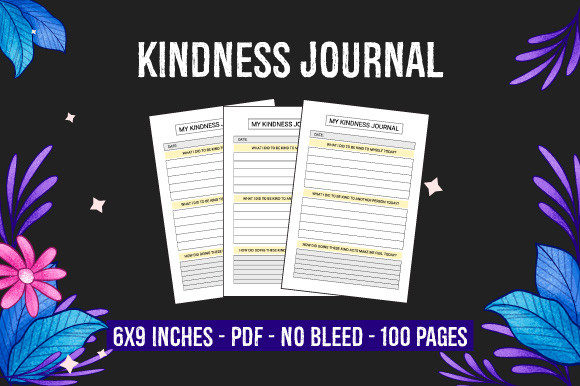
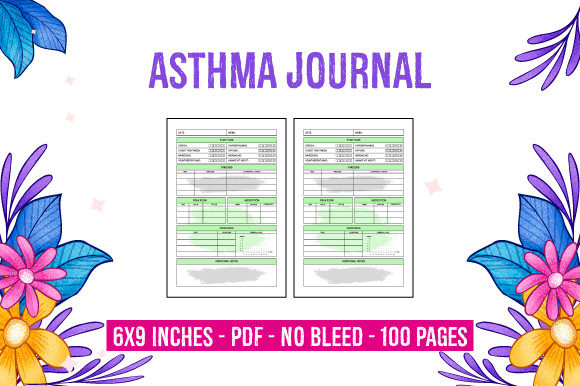
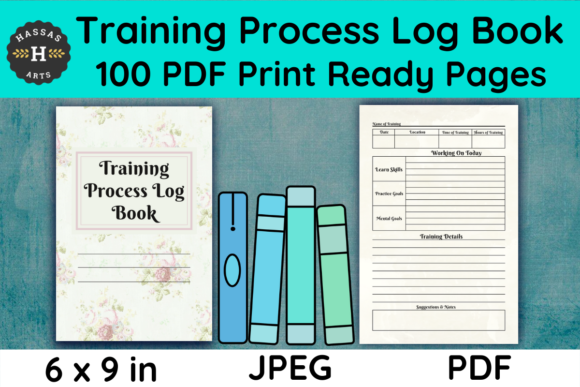
Creating a functional logbook from scratch requires more than just drawing lines on a page. It demands an understanding of margin safety, gutter space, and user experience. A dedicated Road Trip Log Book interior file eliminates the guesswork associated with self-publishing technical specifications. When you acquire a high-resolution PDF that includes 100 pages of structured content, you are essentially purchasing a validated product skeleton.
For business owners and creators, time is the most valuable resource. Designing a comprehensive travel journal involves researching what travelers actually need to track—fuel stops, mileage, weather conditions, campsite details, and daily highlights. A professionally designed template incorporates these elements based on market research rather than assumption. This ensures that the final product offers genuine utility to the end consumer, which is a critical factor in garnering positive reviews and reducing return rates on platforms like Amazon.
Understanding the 6" x 9" Trim Size
The specification of 6″ x 9″ Inches is not arbitrary; it is the goldilocks dimension for the travel niche. Understanding why this size matters helps in positioning your book effectively against competitors.
- Portability: Unlike 8.5" x 11" journals, a 6x9 book fits easily into glove compartments, backpack side pockets, and purse organizers. Travelers need a logbook that travels with them, not one that must be left at home.
- Perceived Value: This trim size feels substantial enough to be a legitimate book while remaining intimate enough for personal journaling. It avoids the "notebook" feel of smaller sizes and the "textbook" feel of larger formats.
- Printing Economics: From a POD perspective, 6x9 offers an excellent balance between page count and spine width. A 100-page book at this size creates a spine thick enough to display text clearly on a bookshelf, enhancing its retail presence.
Anatomy of a Functional Road Trip Log Book Interior
When evaluating or utilizing a ready-to-use PDF file for this niche, it is essential to understand what makes the interior effective. A generic lined notebook rarely satisfies the specific needs of road trippers. High-value interiors typically include a mix of structured data entry and freeform reflection space.
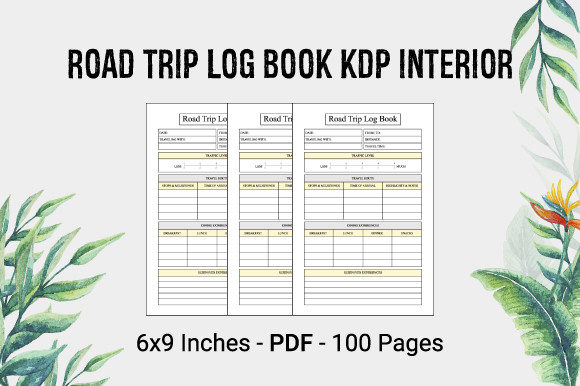
A robust 100-page template generally cycles through recurring layouts. These might include vehicle maintenance trackers, expense logs for budget-conscious travelers, and scenic route planners. The inclusion of specialized prompts distinguishes a Road Trip Log Book from a standard diary. For example, sections dedicated to "Best Local Eats" or "Wildlife Sightings" encourage users to engage with their environment actively. When using a pre-made PDF, verify that these repeating patterns are consistent throughout the document, as formatting errors can disrupt the user experience and lead to negative feedback.
The Importance of No-Bleed Specifications
One of the most common rejection reasons in KDP publishing is bleed-related errors. The provided digital files for this resource are specified as No Bleed. This is a crucial distinction for low-content book creators.
In a no-bleed configuration, all content must remain within a defined safe zone, typically 0.25 inches from the edge of the page on all sides. This ensures that during the trimming process at the printing facility, no text or graphics are accidentally cut off. Ready-to-use PDFs configured for no-bleed have already accounted for these margins. This allows creators to upload the file directly without needing to adjust artwork or worry about white borders. For those new to KDP, sticking to no-bleed interiors significantly reduces the learning curve and the risk of proof copy failures.
Integrating Ready-to-Use Files into Your Workflow
Acquiring the interior is only step one. The true value proposition of a ready-to-use Road Trip Log Book PDF is the speed at which it enables product launches. Because the interior is static and high-resolution, your creative energy can be redirected entirely toward cover design and keyword research.
- Cover Customization: Since the interior is fixed, the cover becomes your primary differentiator. Use the 6x9 dimensions to create covers targeting specific sub-niches, such as "RV Camping Logs," "Family Vacation Journals," or "Solo Female Travel Diaries."
- Metadata Optimization: With the interior handled, spend time crafting descriptions that highlight the specific features included in the 100 pages. Mention the exact tracking capabilities to set accurate customer expectations.
- Series Expansion: A single high-quality interior can support multiple cover variations. By changing the exterior aesthetic while keeping the same reliable internal structure, you can build a cohesive brand series without additional design costs.
Evaluating Suitability for Different Business Models
While a pre-formatted Road Trip Log Book interior is a powerful asset, it is important to assess whether it aligns with your specific business goals. Not every publishing strategy benefits equally from ready-made assets.
For New Publishers: This is an ideal starting point. It removes technical anxiety and allows you to learn the KDP platform mechanics without the pressure of complex design software. The standardized 100-page count provides a predictable royalty structure and printing cost baseline.
For Established Brands: If you already have a following in the travel niche, a ready-made interior serves as a rapid expansion tool. It allows you to test market demand for a physical logbook before investing in custom illustration or bespoke layout design. However, established brands should ensure the generic nature of the interior does not conflict with their unique visual identity.
For Volume Publishers: Speed is the metric here. Having a library of verified, high-resolution PDFs allows for scaling. The key consideration is differentiation. If using widely available templates, the burden of uniqueness falls entirely on the cover and marketing angle. Ensure your metadata clearly communicates the specific use case to avoid competing directly with identical interiors.
Practical Considerations and Limitations
Transparency regarding limitations is vital for long-term success. Ready-to-use PDFs are non-editable by definition. You cannot add your logo to the footer, change the font style, or modify the prompt questions. This lack of customization is the trade-off for convenience and speed.
Furthermore, because these files are accessible to multiple users, there is a possibility of duplicate content appearing on the marketplace. To mitigate this, successful publishers treat the Road Trip Log Book interior as a foundation rather than a finished product. They elevate the listing through superior A+ content, author branding, and niche-specific cover art that signals a unique value proposition despite the shared internal structure.
Additionally, always verify the resolution of downloaded files. Blurry lines or pixelated text are immediate quality killers. The requirement for High-Resolution PDF Files is non-negotiable. Before publishing, download the proof PDF from KDP and zoom in to 100% to inspect line crispness. A professional interior should look sharp both on screen and in print preview.
Real-World Applications Beyond General Travel
While labeled generically, a versatile 100-page logbook interior can serve diverse audiences when positioned correctly. The structure of tracking movement, expenses, and experiences translates across various activities.
- Van Life Enthusiasts: Focus marketing on boondocking locations, water tank levels, and solar power generation if the interior supports general utility tracking.
- Motorcycle Touring: Emphasize compact size and route planning. Bikers prefer lightweight gear, making the 6x9 no-bleed format particularly appealing.
- National Park Collectors: Position the book as a passport alternative for documenting visits, hikes, and wildlife encounters across different parks.
- Families with Children: Market the logbook as a keepsake activity where kids can draw or write about their favorite parts of the trip, preserving family history.
Making the Final Decision
Incorporating a ready-to-use Road Trip Log Book interior into your KDP portfolio is a strategic decision that balances efficiency with quality. The 6" x 9" dimension, 100-page count, and no-bleed configuration represent a safe, proven formula for the travel journal niche. By leveraging these high-resolution PDF files, creators can bypass the steep learning curve of interior formatting and dedicate their resources to building a recognizable brand and connecting with travelers seeking tangible ways to preserve their journeys.
Ultimately, the success of such a product relies on understanding that the interior provides the function, but your marketing provides the meaning. Whether you are a seasoned publisher looking to streamline operations or a newcomer eager to launch your first title, these digital assets offer a reliable pathway to creating useful, desirable products in the evergreen travel market. Evaluate your current catalog, identify gaps in the travel logging niche, and consider how a standardized, professional interior could accelerate your next release.