Bug Log Book KDP Interior: Streamlining Low Content Publishing Workflows
For self-publishers and digital product creators, the bottleneck is rarely the idea; it is almost always the execution. Creating a functional, high-quality interior for a niche notebook requires hours of layout design, margin calculation, and formatting checks. The Bug Log Book KDP Interior eliminates this technical friction by providing a pre-formatted, ready-to-use foundation specifically designed for entomology enthusiasts, citizen scientists, and nature educators. This resource is not merely a collection of blank pages but a structured workflow tool that bridges the gap between field observation and published documentation.
In the broader context of Print on Demand (POD) publishing, this interior serves as a standardized asset. It allows publishers to bypass the repetitive setup phase and focus immediately on market research, cover design, and keyword optimization. By utilizing a pre-validated 100-page template, you ensure that every book produced meets Amazon KDP’s strict printing specifications without requiring manual adjustment. This shifts the creator's energy from graphic design troubleshooting to strategic business development and audience engagement.
Technical Specifications and File Integrity
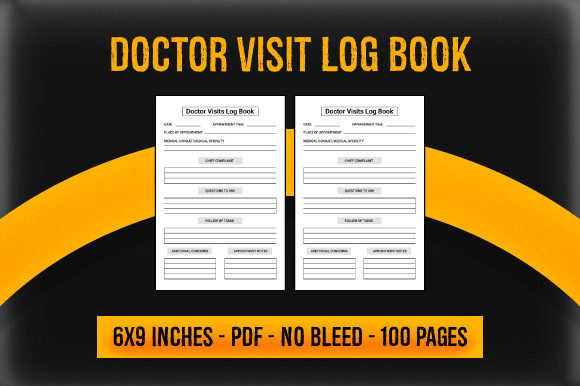
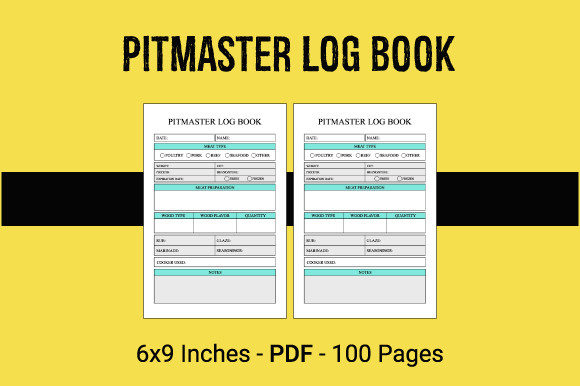
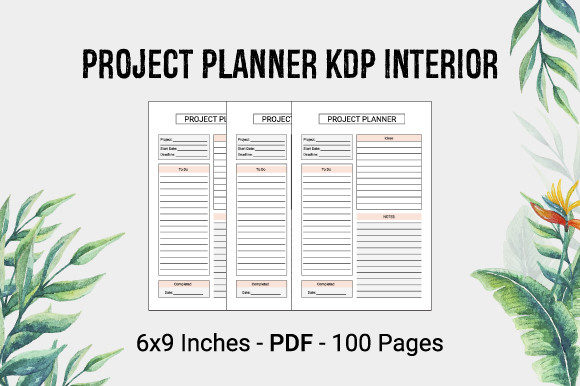
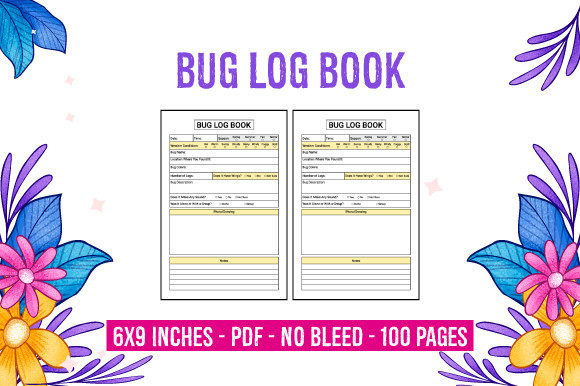
Understanding the technical parameters of your assets is critical for maintaining quality control in a POD business. This Bug Log Book KDP Interior is engineered with precise specifications to prevent common printing errors such as text cutoff or binding issues. The file is delivered as a high-resolution PDF, ensuring crisp lines and legible text even when printed on standard Amazon paper stock.
- Dimensions: 6″ x 9″ inches. This trim size is the industry standard for field guides and portable journals, offering an optimal balance between writing space and portability for outdoor use.
- Page Count: 100 pages. This length provides substantial value to the end-user while keeping printing costs low enough to maintain healthy royalty margins.
- Bleed Configuration: No Bleed. All content is safely contained within the safe zone margins. This simplifies the upload process and removes the risk of elements being trimmed during the manufacturing bindery stage.
- File Format: High-Resolution PDF. Ready for direct upload to KDP, IngramSpark, or other POD platforms without conversion.
The "No Bleed" setting is particularly significant for workflow efficiency. When designing interiors from scratch, managing bleed requires extending background elements beyond the trim line, which often leads to rejection if miscalculated. By utilizing a no-bleed interior, you reduce the cognitive load during the upload verification step, allowing for faster iteration and testing of different cover designs against the same reliable interior block.
Integrating the Interior into Your Publishing Pipeline
A digital asset only creates value when it fits seamlessly into existing operational workflows. The Bug Log Book KDP Interior functions best when treated as a modular component within a larger publishing system. Before initiating a new project, verify that this specific niche aligns with current search trends. Once validated, the interior acts as the constant variable in your equation, allowing you to test multiple cover aesthetics and metadata strategies rapidly.
During the creation phase, this file interacts directly with your cover design software. Because the page count is fixed at 100 pages, you can calculate the exact spine width required for your wraparound cover immediately. There is no need to finish the interior before starting the cover; both workstreams can proceed in parallel. This parallel processing significantly reduces time-to-market. For creators managing multiple SKUs, this standardization means you can build a series of nature journals where the interior remains consistent, reinforcing brand recognition and user familiarity across your catalog.
Post-publication, the utility of this interior extends to marketing and community building. Since the internal structure is uniform, you can create accurate "Look Inside" previews and promotional mockups that faithfully represent the physical product. This transparency reduces return rates and negative reviews caused by unmet expectations. Furthermore, knowing the exact layout allows you to write precise product descriptions that highlight specific features, such as dedicated sections for specimen sketches or habitat data, rather than using generic filler text.
User Experience and Functional Design
The success of a low-content book depends entirely on its usability in real-world scenarios. This Bug Log Book KDP Interior is designed with the end-user’s field workflow in mind. Unlike generic lined notebooks, this template includes structured prompts and tables that guide the recording process. This structure transforms a passive notebook into an active data collection tool, increasing its perceived value for serious hobbyists and professionals alike.
When evaluating this asset for your portfolio, consider how the interior supports the user's goals. A well-designed bug log facilitates scientific accuracy and consistency in record-keeping. Users can track species identification, location coordinates, weather conditions, and behavioral notes in a standardized format. This functionality makes the book suitable for educational settings, biology students, and amateur researchers who require organized data for later analysis. As a publisher, highlighting these practical applications in your listing copy connects the product to specific user needs rather than competing solely on price or aesthetic.
Consistency in interior design also fosters long-term customer loyalty. If a user fills out one volume and appreciates the logical flow of the pages, they are likely to purchase subsequent volumes or recommend the specific format to peers. By providing a professional-grade logging interface, you position your publication as a serious tool rather than a novelty item. This distinction is vital for sustaining sales in competitive niches where quality signals drive purchasing decisions.
Quality Control and Pre-Publishing Verification
Even with pre-made files, due diligence is a non-negotiable part of the publishing process. Always download the high-resolution PDF and inspect it at 100% zoom before uploading. Verify that the margins provide adequate white space for handwriting and that the header/footer areas do not encroach on the binding gutter. While this Bug Log Book KDP Interior is pre-validated, screen calibration and personal preference vary. Spending five minutes on this final check prevents costly reprints and protects your seller metrics.
Compatibility checks should also extend to your cover file. Ensure your cover designer uses the correct template for a 100-page, 6x9, no-bleed book. Mismatched page counts are the most frequent cause of KDP upload failures. By treating the interior specifications as immutable constraints, you streamline communication with designers or simplify your own design adjustments. This disciplined approach to asset management minimizes errors and accelerates the overall production cycle.
Strategic Advantages for Niche Publishers
Utilizing a specialized interior like this offers distinct advantages over creating generic journals. Specificity drives relevance in search algorithms and conversion rates. When a potential buyer searches for "insect observation journal," they are looking for tailored functionality, not just blank paper. This Bug Log Book KDP Interior delivers that specificity instantly, allowing you to capture high-intent traffic that generic products miss.
From a business scalability perspective, ready-to-use interiors decouple revenue generation from hourly labor. Instead of spending twenty hours designing a single interior, you invest that time in researching adjacent niches, optimizing keywords, or building an email list. This leverage is essential for entrepreneurs and freelancers who must maximize output with limited resources. The interior becomes a static asset that generates recurring value, freeing up mental bandwidth for higher-level strategic tasks.
Furthermore, this asset supports diversification. The same 6x9, 100-page format can be adapted for related niches with minimal effort. While this specific file targets bug logging, the workflow principles apply equally to bird watching, plant identification, or geological surveying. Mastering the integration of one specialized interior builds the operational muscle memory needed to expand into other verticals efficiently. You learn to evaluate file quality, manage print specifications, and articulate user benefits—skills that transfer directly to future projects.
Implementation Best Practices
To maximize the return on this digital asset, integrate it into a systematic publishing routine. Begin by organizing your file library with clear naming conventions that include dimensions, page count, and bleed status. This prevents version control issues when managing multiple interiors. When uploading to KDP, use the automated previewer to check every tenth page, ensuring no rendering artifacts occurred during file transfer. Document any platform-specific quirks you encounter to refine future uploads.
Consider bundling this interior with complementary resources to enhance the offer. A simple PDF guide on local insect identification or a link to a digital taxonomy database adds immense value at zero marginal cost. These additions differentiate your product in the marketplace and justify a premium price point. The interior provides the physical infrastructure, while your supplementary content provides the contextual knowledge, creating a comprehensive solution for the user.
Finally, gather feedback from early users to inform future iterations. While this Bug Log Book KDP Interior is ready to use, market preferences evolve. Reviews mentioning missing fields or desired layout changes are goldmines for product development. Use this data to create improved versions or spin-off products that address specific pain points. This iterative approach, grounded in actual user experience, ensures your publishing business remains responsive and relevant in a dynamic marketplace.