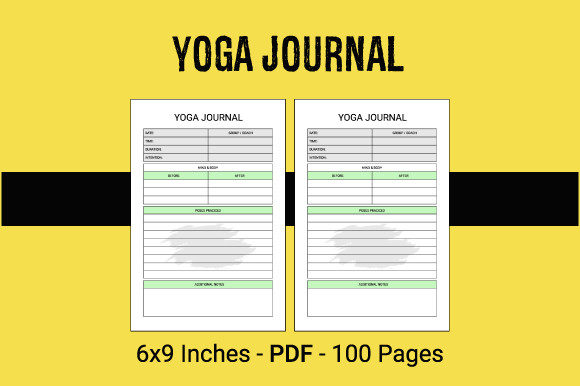
Yoga Journal Interior: Strategic Asset for Low-Content Publishing
Acquiring a high-quality Yoga Journal Interior is not merely about obtaining a template; it is about securing a foundational asset for a scalable print-on-demand business. For publishers, marketers, and creators operating within the Amazon KDP or POD ecosystem, the difference between a stagnant portfolio and a profitable niche often lies in the specificity and usability of the interior files. This 100-page digital resource, formatted at 6″ x 9″ with no bleed, serves as a strategic lever to reduce production time while maintaining professional standards. However, possessing the file is only the first step. The true value emerges when you integrate this interior into a broader publishing strategy that prioritizes user experience, market positioning, and long-term brand equity over rapid, low-effort saturation.
Defining the Strategic Utility of Specialized Interiors
In the context of low-content and medium-content publishing, a Yoga Journal Interior functions as a product differentiation tool. Generic lined notebooks face immense competition and diminishing returns. By utilizing a specialized interior designed specifically for yoga practitioners, mindfulness coaches, or wellness enthusiasts, you immediately elevate the perceived value of the book. This specific interior transforms a blank commodity into a guided tool for self-reflection, practice tracking, and intention setting.
The strategic utility extends beyond the end-user. For the publisher, this ready-to-use PDF mitigates technical risk. Creating a 100-page interior from scratch requires significant design proficiency, an understanding of KDP margin requirements, and hours of layout work. By leveraging a pre-formatted, high-resolution file with correct bleed settings, you reallocate resources from production to marketing and keyword research. This shift is critical for entrepreneurs who need to validate niches quickly without sinking capital into custom design for unproven concepts.
Technical Specifications as Quality Assurance
Understanding the technical parameters of your Yoga Journal Interior is essential for avoiding costly publishing errors and negative customer reviews. The specified dimensions of 6″ x 9″ represent the industry standard for trade paperbacks in the wellness category. This size offers a balance between portability for studio use and sufficient surface area for writing during meditation or post-practice reflection. Deviating from this size without market data can result in higher printing costs or a product that feels awkward in the user's hand.
The "No Bleed" specification is equally important strategically. No bleed means all content stays within the safe margin, ensuring that no text or graphics are trimmed during the printing process. This reduces the rejection rate at KDP and ensures a consistent customer experience. High-resolution PDF files guarantee crisp lines and legible text, which is non-negotiable for journals where users expect to write comfortably. Blurry or pixelated interiors are the fastest route to returns and account penalties. Treating these technical specs as quality benchmarks rather than mere details protects your publishing reputation.
Aligning Product Design with Audience Intent
A common failure point in POD businesses is treating the Yoga Journal Interior as a universal solution. It is not. To maximize ROI, you must align the interior’s structure with specific audience segments. A journal intended for yoga teacher trainees requires different prompts and tracking fields than one designed for casual home practitioners or seniors practicing chair yoga. Before publishing, audit the 100 pages against your target avatar’s needs.
- Practice Tracking: Does the interior allow users to log asanas, duration, and intensity? This appeals to data-driven practitioners focused on progression.
- Reflection Prompts: Are there spaces for gratitude, intention setting, or emotional processing? This targets the mindfulness and mental health segment.
- Flexibility: Is the layout rigid or open? Some users prefer structured guidance, while others need freedom to sketch or free-write.
- Niche Specificity: Can the interior support sub-niches like prenatal yoga, yin yoga, or yoga for anxiety?
If the provided interior does not perfectly match your researched niche, consider how it can be positioned. You might market it as a "Foundational Yoga Companion" rather than a specialized training log. Alternatively, use the interior as a base and create value-added digital bonuses, such as printable pose guides or meditation scripts, to bridge the gap between the generic template and specific user needs.
Cover Design as a Strategic Complement
The instruction to "just add a cover and publish" is technically accurate but strategically incomplete. Your cover design must signal the specific type of yoga journal contained within. If the interior focuses heavily on Vinyasa flow tracking, a serene, static Zen garden cover creates a cognitive dissonance that confuses buyers. Conversely, if the interior is spacious and reflective, an aggressive, fitness-oriented cover will attract the wrong audience, leading to dissatisfaction.
Treat the cover and the Yoga Journal Interior as a unified communication system. The cover attracts the click; the interior description and preview confirm the purchase. Use your cover design to highlight key features found in the interior, such as "100 Pages of Guided Reflection" or "Daily Practice Tracker." This congruence builds trust and improves conversion rates by setting accurate expectations before the customer even opens the book.
Operational Efficiency and Portfolio Scaling
For freelancers, small business owners, and publishers managing multiple titles, the Yoga Journal Interior acts as a force multiplier. The time saved on formatting allows for faster iteration cycles. Instead of spending three weeks designing one journal, you can test five different cover concepts and keyword strategies in the same timeframe. This agility is vital in competitive marketplaces where trends shift seasonally.
However, efficiency should not lead to duplication. Publishing the exact same interior with ten slightly different covers is a violation of KDP’s duplicate content policies and dilutes your brand. Use the interior strategically across distinct angles:
- Seasonal Variations: Position the same interior as a "New Year Intention Journal" in January and a "Summer Solstice Practice Log" in June through targeted metadata and cover art.
- Bundling Strategy: Pair the physical journal with a digital course or coaching program. The journal becomes a tangible touchpoint for a higher-ticket service.
- Brand Consistency: Use the interior as a signature element across a series. Readers who love the layout of your beginner’s journal will seek out the advanced version because they trust the user experience.
Risk Mitigation and Ethical Publishing
Relying solely on ready-to-use files carries inherent risks that must be managed proactively. The most significant risk is market saturation. Because these interiors are accessible to many, identical books can flood the marketplace. To mitigate this, you must add unique value. This could be through exceptional copywriting, community building, or bundling with proprietary content. Never assume the interior alone is enough to sustain sales indefinitely.
Another risk involves licensing and exclusivity. Always verify the commercial rights associated with your Yoga Journal Interior. Ensure you have the right to use it for unlimited POD publications and understand any attribution requirements. Publishing without clear licensing exposes your business to takedowns and legal challenges. Furthermore, avoid claiming copyright on the interior itself. You own the copyright to your cover, title, and unique arrangement, but not the underlying template. Transparency regarding what is original versus what is licensed maintains integrity with both platforms and customers.
Evaluating Long-Term Viability
Before integrating this asset into your long-term roadmap, assess its alignment with your business goals. If your objective is to build a recognizable wellness brand, a generic interior may eventually limit your growth. In this case, use the ready-to-use file as a proof-of-concept tool. Validate demand, gather customer feedback on what they like or dislike about the layout, and then invest in custom design based on real data. The Yoga Journal Interior becomes a stepping stone rather than the final destination.
Conversely, if your goal is cash flow generation through high-volume testing, this asset is ideal. It lowers the barrier to entry and allows you to maintain momentum during creative blocks. The key is intentionality. Decide whether this interior supports a brand-building strategy or a volume-testing strategy, and adjust your marketing spend and expectation accordingly. Randomly publishing without this distinction leads to wasted ad spend and fragmented results.
Making Informed Decisions for Sustainable Growth
Ultimately, the decision to use a Yoga Journal Interior should be grounded in practical business logic rather than convenience alone. Analyze the competitive landscape. Read reviews of existing yoga journals to identify gaps that this specific 100-page layout fills or misses. Check search volume for terms related to the interior’s specific features. If the market demands a "gratitude-focused yoga journal" and this interior lacks gratitude prompts, forcing it into that niche will fail regardless of cover quality.
Success in low-content publishing comes from solving problems, not just filling pages. When used thoughtfully, this high-resolution, 6x9, no-bleed PDF provides a reliable infrastructure for problem-solving products. It frees you from technical friction so you can focus on connection, messaging, and market fit. Approach this asset as a professional tool in your publishing arsenal. Respect the technical specifications, honor the user’s intent, and integrate it into a cohesive strategy that values quality over speed. By doing so, you transform a simple digital file into a sustainable component of your creative business.