Blood Sugar Tracker KDP Interior: Strategic Asset for Health Niche Publishing
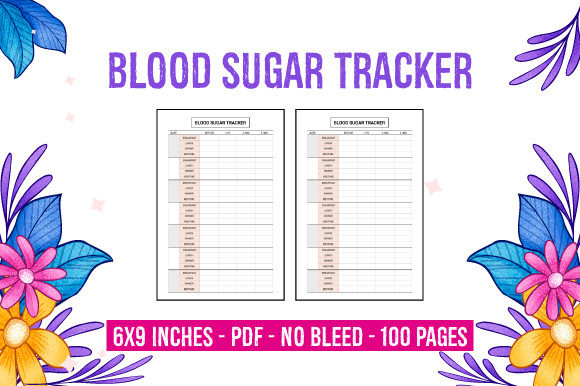
Entering the health and wellness category on Amazon Kindle Direct Publishing requires more than just uploading a generic template; it demands a strategic approach to utility and user experience. The Blood Sugar Tracker KDP Interior serves as a foundational asset for publishers targeting the diabetes management, pre-diabetic monitoring, and general metabolic health niches. This specific digital file, comprising 100 pages of structured logging space in a 6″ x 9″ format, is designed to bridge the gap between medical necessity and consumer convenience. For entrepreneurs and creators, this interior is not merely a collection of lines and tables; it is a validated product structure that addresses a recurring daily need for a specific demographic.
The strategic value of this ready-to-use PDF lies in its immediate applicability and technical compliance. With high-resolution formatting and a no-bleed configuration, it eliminates the most common production errors associated with low-content book publishing. Publishers can bypass the design phase entirely, focusing resources instead on keyword research, cover differentiation, and marketing strategy. By utilizing a pre-formatted Blood Sugar Tracker KDP Interior, you reduce time-to-market significantly, allowing for faster testing of sub-niches such as gestational diabetes tracking, senior care monitoring, or fitness-oriented glucose logging.
Aligning Product Specifications with User Intent
Understanding the technical specifications of this interior is crucial for positioning your book correctly. The 6″ x 9″ dimension is the industry standard for portable health journals. It strikes an optimal balance between writing surface area and portability, fitting easily into handbags, medical bags, or glove compartments. When selecting a Blood Sugar Tracker KDP Interior, verifying these dimensions ensures your final product meets user expectations for a daily carry item rather than a desk reference.
The inclusion of 100 pages is a deliberate strategic choice. In the context of blood sugar monitoring, users typically log data multiple times per day. A 100-page interior provides approximately three to four months of tracking capacity, depending on the frequency of entries. This duration aligns perfectly with quarterly medical check-ups, making the book a practical tool for patients preparing data for their healthcare providers. Publishers should highlight this timeframe in their book descriptions, framing the product as a "Quarterly Health Companion" rather than just a notebook. This shifts the perception from a disposable commodity to a valuable health management tool.
The no-bleed specification simplifies the printing process and reduces the risk of content being trimmed during production. High-resolution PDF files ensure that grid lines, text headers, and instructional elements remain crisp and legible. Blurry interiors are a primary driver of negative reviews in the low-content space; utilizing professional-grade source files protects your brand reputation and maintains customer trust.
Strategic Positioning Within the Health Niche
Success with a Blood Sugar Tracker KDP Interior depends less on the interior itself and more on how you position the finished product. The health niche is competitive, and broad terms like "blood sugar log" are often saturated. Strategic publishers use this interior as a base to create specialized offerings. Consider segmenting your audience by demographics or specific health goals. A tracker designed for "Type 2 Diabetes Management for Men Over 50" utilizes the same functional interior as a generic tracker but speaks directly to a specific buyer persona through cover design and metadata.
This segmentation strategy allows you to leverage the same high-quality interior across multiple SKUs while avoiding duplicate content penalties. Each version should have unique cover art, titles, and backend keywords tailored to the specific sub-niche. For example, a version targeted at pregnant women managing gestational diabetes might feature softer aesthetics and include space for noting fetal movement or dietary cravings alongside glucose levels, even if the core grid remains identical. The versatility of the Blood Sugar Tracker KDP Interior supports this multi-product approach, enabling efficient portfolio expansion.
Furthermore, consider the communication aspect of health tracking. Many users buy these books specifically to share data with doctors. If your chosen interior includes weekly summary pages or notes sections for medication changes, emphasize this feature in your listing. You are selling improved doctor-patient communication and better health outcomes, not just paper. This value-based positioning resonates with adult buyers who are managing chronic conditions for themselves or aging parents.
Operational Efficiency and Risk Mitigation
For freelancers, small business owners, and POD operators, efficiency dictates profitability. Creating a compliant, functional medical tracker from scratch requires significant time investment in layout design, margin calculation, and proofreading. Using a verified Blood Sugar Tracker KDP Interior transfers the technical risk to the asset provider. However, relying on ready-made files introduces different risks that must be managed intentionally.
The primary risk is market saturation due to non-differentiation. If you upload this interior with a generic cover and title, your book will likely fail to gain traction. To mitigate this, treat the interior as a component, not the entire product. Your competitive advantage comes from the wrapper you build around it. Invest time in analyzing top-selling competitors in the blood sugar niche. Identify gaps in their offerings—perhaps they lack large print options, specific meal tracking columns, or insulin dosage logs. While you cannot alter the pre-made PDF, you can select interiors that best match identified gaps or bundle the physical book with digital bonuses (like a printable diet guide) to add unique value.
Another operational consideration is quality assurance. Always order a physical proof copy before launching. Screen resolution differs from print output, and what looks adequate digitally may be too faint or cramped on paper. Verify that the writing space accommodates various pen types and that the binding allows the book to lay flat enough for comfortable writing. These tactile details determine repeat purchases and word-of-mouth referrals in health communities.
Intentional Use Cases and Planning
Before integrating a Blood Sugar Tracker KDP Interior into your publishing workflow, define clear objectives. Are you building a long-term health brand, or are you testing niche viability? Your goal determines your approach.
- Brand Building: If establishing authority in the health space, consistency is key. Use this interior as part of a cohesive series. Ensure your cover design language creates a recognizable brand identity across all health-related titles. Plan for future expansions, such as blood pressure logs or food diaries, using similar formatting standards.
- Niche Testing: For rapid validation, use the interior to launch multiple variations quickly. Test different titles, covers, and price points. Track sales velocity and conversion rates to identify winning combinations before investing in custom-designed interiors.
- Cross-Promotion: If you already publish in adjacent niches (cookbooks, fitness guides, senior care), use the tracker as a complementary product. Reference it in the back matter of your existing books to capture readers already interested in health management.
Planning should also account for seasonal trends. Blood sugar management interest often spikes in January (New Year’s resolutions) and during National Diabetes Awareness Month (November). Align your publication schedule and advertising campaigns with these periods. Having a ready-to-use interior allows you to capitalize on these windows without design delays.
Evaluating Long-Term Viability and Customer Experience
Sustainable success in KDP requires thinking beyond the initial sale. Customer experience drives reviews, which drive organic visibility. When using a standardized Blood Sugar Tracker KDP Interior, you must ensure it genuinely serves the end-user. Read reviews of competing products meticulously. Common complaints about trackers include insufficient writing space, confusing layouts, or poor paper quality. While you cannot change KDP’s paper, you can select interiors that address layout concerns.
Consider the cognitive load of your target audience. Individuals managing diabetes are often dealing with stress, fatigue, or age-related vision changes. An effective interior prioritizes clarity over density. Large fonts, clear section dividers, and intuitive flow reduce friction in daily use. If the pre-made interior feels cluttered or overly complex, it may not support long-term customer satisfaction, regardless of its technical quality. Choose simplicity and usability as your primary selection criteria.
Additionally, think about the ethical dimension of publishing health-related tools. Accuracy and appropriateness matter. Ensure the terminology used in the interior aligns with current medical standards. Avoid making unsubstantiated health claims in your book description or on the cover. Position the product as a recording tool, not a treatment device. Maintaining integrity builds trust with a vulnerable audience and protects your publishing account from policy violations related to medical misinformation.
Making Informed Decisions for Portfolio Growth
Ultimately, the decision to use a Blood Sugar Tracker KDP Interior should be grounded in business logic, not convenience alone. Assess whether this asset fills a genuine gap in your catalog or serves a validated market demand. Evaluate the cost of the asset against potential returns and the opportunity cost of creating custom alternatives. For new publishers or those expanding into health niches, the speed and reliability of a professional pre-made interior often justify the investment. For established brands with specific design requirements, it may serve better as a placeholder or testing vehicle.
Remember that the interior is just one variable in the publishing equation. Success comes from the alignment of product quality, market positioning, and customer empathy. Use this resource intentionally, validate it through proofs and market research, and integrate it into a broader strategy focused on delivering real value to individuals managing their health. When approached with this level of strategic thoughtfulness, a simple 100-page PDF becomes a powerful lever for sustainable growth in the competitive world of health-focused self-publishing.