Soap Carving Journal: Leveraging Ready-to-Use PDF Interiors for KDP Success
The Intersection of Tactile Art and Digital Publishing Assets
The niche of soap carving has experienced a significant resurgence, driven by social media trends, sensory therapy applications, and the broader ASMR community. For creators in the Print on Demand (POD) and Amazon Kindle Direct Publishing (KDP) space, this surge presents a specific opportunity to serve an underserved audience. While soap carving is inherently tactile, the documentation, planning, and reflection associated with the craft require structured analog tools. This is where the Soap Carving Journal becomes a vital product category. Rather than designing complex interiors from scratch, publishers can utilize ready-to-use PDF files specifically formatted for this niche. These digital assets streamline the production process, allowing creators to focus on cover design and marketing while ensuring the interior content meets professional publishing standards.
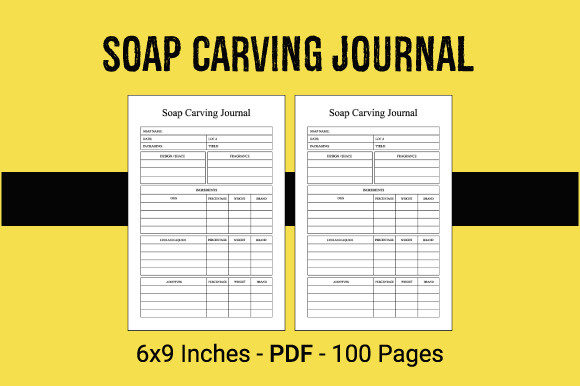
Utilizing pre-formatted 100-page KDP interiors addresses a common bottleneck in low-content book publishing: the time-intensive nature of layout design. By integrating high-resolution PDF files that are already optimized for 6″ x 9″ dimensions, publishers eliminate technical guesswork regarding margins, bleed settings, and resolution. This efficiency is particularly valuable when targeting micro-niches like soap sculpting, where audience volume may be lower but engagement and intent are high. The availability of both bleed and no-bleed options further enhances versatility, enabling the creation of varied journal styles ranging from minimalist tracking logs to expansive sketchbooks for carving patterns.
Technical Specifications and Print Quality Standards
When selecting or utilizing ready-to-use PDF interiors for a Soap Carving Journal, understanding the technical parameters is essential for avoiding rejection during the KDP review process. The standard 6″ x 9″ trim size is the industry sweet spot for journals. It offers ample writing space without being cumbersome for users who may be working at a craft table or carrying the journal to workshops. The 100-page count is equally strategic; it provides sufficient depth for long-term project tracking while keeping printing costs low enough to maintain healthy royalty margins.
Resolution is non-negotiable in POD publishing. High-resolution PDF files ensure that lines, prompts, and decorative elements print crisply on standard white paper. Blurry or pixelated interiors lead to negative reviews and returns. Professional ready-to-use files are typically vector-based or exported at 300 DPI, guaranteeing sharpness regardless of the printer used by Amazon. Furthermore, the distinction between bleed and no-bleed configurations dictates the design approach. No-bleed interiors keep all content within a safe margin, ideal for text-heavy prompts and structured logging. Bleed interiors allow background elements or border designs to extend to the edge of the page, creating a more immersive aesthetic suitable for artistic soap carving portfolios. Having access to both formats in a single digital package allows publishers to A/B test different aesthetic approaches within the same niche.
Functional Applications for Diverse User Groups
A well-designed Soap Carving Journal serves multiple demographics beyond casual hobbyists. Understanding these distinct user groups helps in positioning the book effectively through metadata and cover design. The utility of the interior pages shifts depending on whether the end-user is an educator, a therapist, a professional artist, or a content creator.
- Educators and Youth Program Directors: Soap carving is a staple in art education and summer camps due to its safety and accessibility compared to wood or stone carving. For this group, the journal functions as a lesson planner and student progress tracker. Interiors that include space for sketching preliminary designs, noting carving techniques, and reflecting on the creative process support curriculum development and student assessment.
- Sensory Therapists and Counselors: In therapeutic settings, soap carving is used for grounding, anxiety reduction, and fine motor skill rehabilitation. Here, the journal acts as a mindfulness log. Pages designed for recording emotional states before and after carving sessions, texture descriptions, and sensory observations transform the book into a clinical or personal wellness tool rather than just an art diary.
- ASMR Content Creators: The visual and auditory appeal of soap carving has created a massive online community. Creators in this space use journals to plan video content, track filming schedules, and document audience feedback. A Soap Carving Journal tailored to this group might include sections for script outlining, equipment checklists, and analytics tracking alongside traditional carving notes.
- Professional Sculptors and Vendors: For artisans selling carved soaps at markets or online, the journal serves as a business ledger and design catalog. Inventory tracking, pricing calculations, custom order specifications, and supplier contact lists are practical additions that elevate the book from a simple diary to a professional operational tool.
Strategic Advantages of Pre-Formated Digital Files
The decision to use ready-to-use PDF files rather than custom-designing every page offers tangible business advantages for KDP publishers. Speed to market is perhaps the most significant benefit. Trends in crafting niches can be ephemeral; a viral soap carving challenge on TikTok can drive demand for related merchandise overnight. Having a library of 100-page interiors ready for immediate deployment allows publishers to capitalize on these moments before the trend saturates.
Consistency is another critical factor. Professional PDF templates adhere to strict typographic hierarchies and grid systems that amateur designers often struggle to replicate. Consistent line weights, balanced whitespace, and legible font sizes contribute to a premium user experience. When customers purchase a Soap Carving Journal, they expect a functional tool, not a cluttered worksheet. High-quality pre-made interiors ensure that the user’s focus remains on their craft rather than fighting against poor layout choices. Additionally, these files reduce the learning curve for new publishers. Navigating KDP’s formatting guidelines can be daunting; relying on verified, compliant templates minimizes the risk of file rejection and accelerates the path to publication.
Optimizing Interior Utility for Long-Term Engagement
While the exterior cover attracts the initial click, the interior determines customer satisfaction and repeat purchases. To maximize the value of a 100-page Soap Carving Journal, the content must offer more than generic lined paper. Effective interiors blend structure with flexibility, accommodating the unpredictable nature of creative work.
Dedicated project planning pages are essential. These should provide space for listing materials (soap type, carving tools, dyes), estimating completion times, and sketching multi-angle views of the intended sculpture. Since soap carving involves subtractive processes where mistakes are difficult to fix, encouraging pre-planning adds genuine value to the journal. Progress tracking spreads help users break down complex carvings into manageable stages, fostering a sense of accomplishment and encouraging consistent practice.
Reflection and technique documentation pages distinguish a specialized journal from a generic notebook. Prompts that ask users to describe the resistance of the soap, the sharpness of their tools, or the effectiveness of a specific cutting angle facilitate skill acquisition. Over time, these entries create a personalized reference manual that the user can consult for future projects. Including sections for pasting photos or attaching small soap shavings (if using no-bleed layouts with adequate margins) further enhances the tactile connection between the physical craft and the written record.
Navigating Niche Selection and Market Positioning
Success in the low-content KDP space requires precise niche targeting. "Journal" is too broad; "Soap Carving Journal" is viable but still competitive. Publishers should leverage the flexibility of ready-to-use PDFs to create sub-niche variations. For example, a "Soap Carving Pattern & Sketch Journal" targets designers, while a "Mindful Soap Carving Reflection Log" appeals to the wellness demographic. Each variation can use the same base 100-page interior but feature different covers and keyword strategies.
Keyword research should extend beyond obvious terms. Semantic variations such as "ASMR art diary," "sensory play activity book," "sculpture planning notebook," and "craft project tracker" capture adjacent search traffic. The description and backend keywords must accurately reflect the interior content. If the PDF includes specific prompts for therapeutic use, those features should be highlighted in the listing. Misrepresenting the interior leads to returns; accurate representation builds trust and authority within the niche.
Pricing strategy should also align with the perceived value of the interior. A 100-page journal with specialized, high-resolution prompts commands a higher price point than a generic lined notebook. Customers in specialized hobbies are often willing to pay a premium for tools that demonstrate an understanding of their specific needs. By emphasizing the thoughtful design and functional relevance of the Soap Carving Journal in marketing materials, publishers can justify competitive pricing while maintaining healthy margins through efficient POD production.
Implementation Workflow for Publishers
Integrating ready-to-use PDF files into a publishing workflow requires a systematic approach to ensure quality and compliance. The first step is always verification. Even when sourcing reputable digital assets, publishers should download and inspect the PDF before uploading to KDP. Checking page count, trim size alignment, and resolution ensures compatibility with current platform requirements. Using Amazon’s Previewer tool is mandatory to catch any potential rendering issues.
Cover design must complement the interior aesthetic. A mismatch between a modern, minimalist interior and a cluttered, vintage cover creates cognitive dissonance for buyers. The cover should visually signal the journal’s specific purpose within the soap carving niche. Including thumbnail images of the interior pages in the book description or A+ Content helps manage customer expectations and reduces return rates. Showing potential buyers exactly what the 100 pages contain demonstrates transparency and confidence in the product’s utility.
Finally, publishers should view each Soap Carving Journal as part of a broader ecosystem. Collecting customer feedback through reviews and social media engagement informs future iterations. If users consistently request more sketching space or specific tracking metrics, these insights can guide the selection or customization of future PDF interiors. The ready-to-use model supports rapid iteration; publishers can test new layouts and concepts without significant upfront investment, continuously refining their offerings to better serve the evolving needs of the soap carving community.