Pitmaster Log Book: Ready-to-Use KDP Interior Files
Creating a successful low-content book on Amazon KDP often hinges on the quality and specificity of the interior. For publishers targeting the barbecue and smoking niche, a generic notebook is rarely sufficient. Enthusiasts in this space require structured data tracking to replicate successful cooks and troubleshoot failures. A dedicated Pitmaster Log Book interior solves this problem by providing a pre-formatted framework that captures the essential variables of smoking meat. When utilizing ready-to-use PDF files for this specific niche, publishers can bypass the design phase entirely and focus on market research, cover creation, and keyword optimization.
The value of these pre-made interiors lies in their immediate applicability. Rather than spending dozens of hours learning layout software or hiring a designer, creators can access a professional-grade 100-page template. This efficiency allows for faster iteration in a competitive marketplace. More importantly, it ensures the end product meets the functional expectations of serious grill masters who view logging as a critical part of their culinary process, not just a novelty.
Functional Design for Serious Smoking Enthusiasts
The primary benefit of a specialized Pitmaster Log Book is its ability to transform abstract cooking experiences into actionable data. Barbecue is a science of thermodynamics, humidity, and time. A standard lined journal cannot adequately capture the relationship between ambient temperature, meat internal temperature, fuel consumption, and weather conditions. The ready-to-use PDF interiors are engineered to prompt users for these specific metrics.
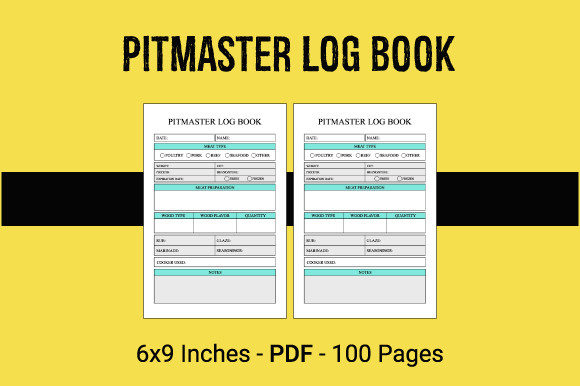
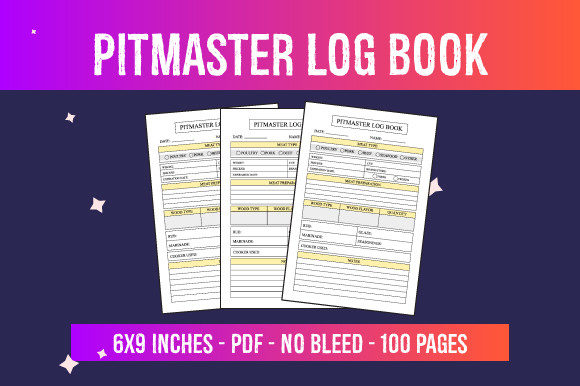
For example, a well-designed log page includes dedicated fields for wood type, rub ingredients, spritzing schedules, and resting times. This structure guides the user to record details they might otherwise forget in the heat of a long cook. For the KDP publisher, this level of detail increases the perceived value of the book. Customers are more likely to leave positive reviews and recommend a log book that demonstrates an understanding of the craft over one that offers blank lines. The 6" x 9" dimension further enhances usability, offering a portable form factor that fits easily on a prep table or in an apron pocket without sacrificing writing space.
Streamlining the KDP Publishing Workflow
Time management is a critical resource for self-publishers, whether they are hobbyists or full-time entrepreneurs. Developing a custom interior from scratch involves significant technical overhead, including setting margins, gutters, bleed areas, and ensuring text safety zones comply with Amazon’s printing specifications. Errors in these technical specifications can lead to rejected manuscripts or poor print quality, resulting in wasted time and potential negative customer feedback.
Ready-to-use PDF files eliminate these technical risks. The included high-resolution files are pre-configured with correct bleed and no-bleed options, ensuring compatibility with KDP’s printing requirements. This reliability allows publishers to shift their energy toward the creative and strategic aspects of the business. Instead of troubleshooting formatting errors, you can spend that time designing a compelling cover that resonates with the target audience or conducting deeper keyword research to improve discoverability. The "just add a cover and publish" model effectively reduces the barrier to entry for niche-specific journals.
Strategic Advantages of Niche-Specific Interiors
In the saturated low-content book market, generalist products often struggle to gain traction. Success increasingly depends on serving micro-niches with tailored solutions. A Pitmaster Log Book represents a distinct sub-segment within the broader cooking category. By using specialized interiors, publishers signal relevance to both the Amazon algorithm and human shoppers browsing for smoking accessories.
This specificity supports better conversion rates. When a customer searches for "smoker log book" or "BBQ journal," they are looking for a tool that matches their specific equipment and workflow. A generic "Grilling Notebook" may appear in search results, but a book featuring detailed smoking logs, temperature charts, and meat doneness guides addresses the searcher's intent more accurately. The 100-page count strikes a practical balance; it provides enough pages for a full season of cooking without making the book too bulky or expensive to produce. This optimization helps maintain healthy royalty margins while delivering substantial utility to the buyer.
Understanding Technical Specifications and Print Quality
The physical attributes of a log book significantly impact user satisfaction, particularly for items intended for outdoor use. The provided digital files adhere to strict quality standards that directly influence the final printed product. High-resolution PDFs ensure that lines, tables, and text remain crisp and legible after printing. Blurry or pixelated interiors are a common complaint in low-content book reviews and can permanently damage a publisher's reputation.
The availability of both bleed and no-bleed versions offers necessary flexibility. Some designers prefer edge-to-edge graphics or background textures that require bleed settings, while others opt for clean, framed layouts that stay within safe margins. Having both options available in the same package prevents last-minute scrambling if your cover design strategy changes. Furthermore, the 6" x 9" trim size is an industry standard for trade paperbacks, ensuring cost-effective printing and shipping. This size is large enough to accommodate detailed log entries and diagrams yet compact enough to be handled comfortably in outdoor environments where space is often limited.
Evaluating Fit and Practical Considerations
While ready-to-use Pitmaster Log Book interiors offer significant advantages, publishers must assess whether this specific template aligns with their brand and audience. Not all barbecue enthusiasts have identical needs. A competition pitmaster may require different data points than a backyard hobbyist. Before publishing, review the sample pages to ensure the fields provided match the expectations of your specific target demographic. If your research indicates a demand for competition scoring sheets or pellet grill-specific metrics, verify that the included interior supports those features or consider how you might supplement them.
Additionally, because these are ready-to-use files, other publishers may be using the same interior. To differentiate your product, the cover design and marketing copy become paramount. Your cover should communicate a unique angle or aesthetic that sets your book apart from others using similar internal templates. Consider bundling the log book with digital bonuses, such as printable temperature guides or recipe cards, to add exclusive value that competitors cannot replicate simply by purchasing the same PDF.
Maximizing Utility for Diverse User Groups
The versatility of a structured Pitmaster Log Book extends beyond individual consumers. Educators, culinary instructors, and workshop leaders can utilize these journals as teaching aids. In a barbecue class, having students log their cooks in a standardized format facilitates better feedback and progress tracking. Similarly, small business owners selling smokers or rubs can use these branded or unbranded log books as value-add incentives or merchandise.
For content creators and bloggers in the food space, these log books serve as tangible products that complement digital content. A YouTube channel focused on smoking techniques can offer a matching log book, creating a cohesive ecosystem for their audience. The pre-formatted nature of the PDF means these creators do not need to divert resources from content production to product development. They can leverage the existing 100-page structure to quickly launch a product that reinforces their authority and provides practical utility to their followers.
Ultimately, the decision to use ready-to-use Pitmaster Log Book interiors should be driven by a clear understanding of the end-user's needs and the publisher's strategic goals. These files provide a robust foundation for creating high-quality, functional journals that serve the specific demands of the smoking community. By handling the technical and structural heavy lifting, they allow publishers to focus on what truly drives sales: effective marketing, distinctive branding, and genuine value delivery. Whether you are a seasoned KDP veteran expanding your catalog or a new entrant testing the waters of niche publishing, these interiors offer a practical pathway to creating products that resonate with passionate enthusiasts.