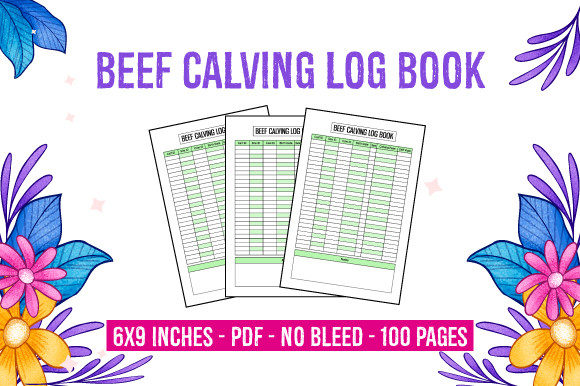
Beef Calving Log Book: Ready-to-Use KDP Interior
Managing a cattle operation requires meticulous record-keeping, especially during the critical calving season. For publishers and creators in the Print on Demand (POD) space, providing a specialized tool for ranchers is a strategic niche opportunity. This Beef Calving Log Book interior offers a practical solution for both end-users needing organized data tracking and KDP entrepreneurs looking for high-quality, ready-to-publish assets. Rather than spending dozens of hours designing complex tables and formatting margins, you can utilize this pre-formatted 100-page PDF to launch a professional-grade agricultural journal immediately.
Understanding the Purpose of Calving Records
A beef calving log is more than just a notebook; it is a vital management instrument for livestock producers. During calving season, information comes fast and often under stressful conditions. Ranchers need a dedicated place to record birth dates, calf identification, sex, weight, dam information, and any assistance required during delivery. This specific interior is designed to capture that essential data efficiently without overwhelming the user with unnecessary clutter.
For the KDP creator, understanding this utility is key to marketing the book effectively. You are not selling blank paper; you are selling organization and peace of mind to farmers who need to track genetic performance, health interventions, and weaning weights. The value proposition lies in the structured layout that prompts users to record the right information at the right time, transforming raw observations into actionable herd data.
Technical Specifications for Seamless Publishing
Success in low-content publishing depends heavily on technical accuracy. A file that looks good on a screen but fails during printing will result in rejected uploads and poor customer reviews. This digital asset is engineered specifically for Amazon KDP standards to ensure a smooth publishing experience.
- Dimensions: The 6″ x 9″ trim size is the industry standard for field journals. It is compact enough to fit in a truck console or coat pocket yet provides ample writing space for gloved hands.
- Page Count: Includes exactly 100 pages of formatted interiors, striking the perfect balance between capacity and portability for a single calving season.
- Bleed Settings: Configured as "No Bleed," which keeps all content safely within the printable area. This eliminates the risk of text being trimmed off and simplifies the cover design process since you do not need to account for image wrap-around on the interior.
- File Quality: High-resolution PDF files ensure crisp lines and legible text, even when printed on standard KDP white paper.
Why This Niche Appeals to POD Entrepreneurs
The agricultural journal market is distinct from general planners or diaries. It serves a functional B2B-style audience where utility trumps aesthetic trends. When you publish a Beef Calving Log Book using these ready-made interiors, you tap into a recurring need. Cattle operations run on annual cycles, meaning a well-designed logbook can generate repeat sales year after year as ranchers replace filled volumes.
Furthermore, this specific interior reduces the barrier to entry for new publishers. Designing agricultural tables requires knowledge of what data points actually matter to farmers. By leveraging a professionally structured template, you avoid the trial-and-error phase of product development. This allows you to focus your energy on keyword research, cover design, and advertising rather than wrestling with spreadsheet software and margin settings.
Practical Applications for End Users
To sell this book effectively, it helps to visualize how your customers will use it in real-world scenarios. This context informs your book description and backend keywords. Here are common ways this log supports daily operations:
- Birth Data Tracking: Recording immediate post-birth metrics to establish baseline performance for each calf.
- Health Intervention Logs: Noting vaccinations, treatments, or veterinary calls associated with specific animals during the neonatal period.
- Dam Performance Evaluation: Correlating cow ID with calf outcomes to make culling or retention decisions later in the year.
- Regulatory Compliance: Maintaining physical records that may be required for organic certification, breed association registration, or tax purposes.
- Employee Communication: Serving as a central reference point when multiple people are assisting with calving shifts.
Critical Considerations Before Publishing
While this ready-to-use PDF streamlines production, successful KDP businesses still require due diligence. Before uploading your Beef Calving Log Book, consider how you will differentiate your listing. Since the interior is a standardized tool, your cover design becomes the primary visual hook. Ensure your cover clearly communicates the book’s purpose through relevant imagery and legible typography that appeals to the agricultural demographic.
You should also verify current KDP guidelines regarding interior margins and safe zones before finalizing your project. Although this file is pre-formatted for no-bleed 6x9 printing, platform specifications can evolve. Always download a proof copy or use the online previewer to confirm that headers, footers, and table borders appear exactly as intended. Additionally, think about your metadata strategy. Terms like "cattle record keeper," "livestock birthing journal," and "ranch management log" may resonate better with searchers than generic terms.
Maximizing Value Through Strategic Positioning
This digital file represents a foundation, not a finished business. To maximize returns, consider how this Beef Calving Log Book fits into a broader catalog strategy. Does it complement other agricultural journals you offer? Could it be part of a series targeting different livestock types or farm management tasks? Building a cohesive brand around rural and agricultural niches can improve cross-selling opportunities and establish authority with your target audience.
Remember that transparency builds trust. Clearly state in your product description that this is a 100-page logbook with specific dimensions and no-bleed formatting. Setting accurate expectations prevents returns and negative feedback. When customers understand exactly what they are receiving—a durable, portable, purpose-built record-keeping tool—they are more likely to leave positive reviews that drive future sales.
Ultimately, this ready-to-use interior bridges the gap between technical publishing requirements and genuine user needs. It empowers KDP creators to serve the farming community with a high-utility product while maintaining efficient production workflows. By focusing on quality, relevance, and proper implementation, you can turn this digital asset into a sustainable component of your print-on-demand portfolio.