KDP Interior: Music Practice Journal for POD
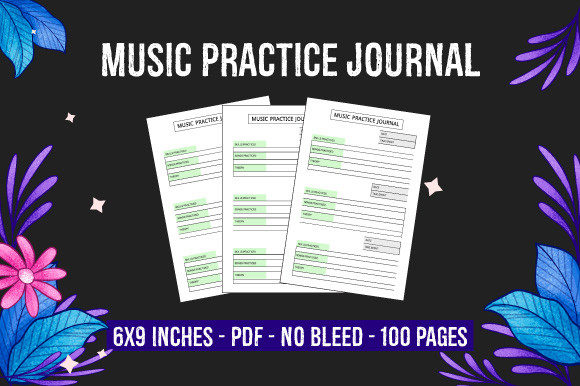
Creating a successful low-content book on Amazon Kindle Direct Publishing often comes down to finding the right balance between niche specificity and broad appeal. The KDP Interior - Music Practice Journal serves as an excellent foundation for publishers looking to enter the musical education and self-improvement market without spending weeks designing complex layouts from scratch. This ready-to-use PDF file provides a professional, structured 100-page interior that addresses a genuine need for musicians, students, and teachers. Instead of staring at a blank canvas or struggling with formatting software, you can focus your energy on creating a compelling cover and marketing strategy while the internal structure is already optimized for print.
Understanding the Value of Pre-Formated Interiors
For many entrepreneurs and creators in the Print on Demand space, the technical barrier of book formatting is significant. Margins, bleed settings, and resolution requirements can be confusing, leading to rejected files or poor-quality prints. This digital asset eliminates those technical headaches by providing high-resolution PDF files that are pre-configured for KDP standards. The 6″ x 9″ dimension is arguably the most versatile trim size for journals, offering enough writing space for detailed practice logs while remaining portable enough to fit in instrument cases or backpacks.
The true value lies in the time saved. Designing a functional music journal requires understanding what musicians actually track during practice sessions. It isn't just about blank lines; it involves sections for tempo, repertoire, goals, and reflections. By utilizing a professionally designed KDP Interior - Music Practice Journal, you leverage existing expertise in both book design and musical pedagogy. This allows you to launch products faster and test different cover designs to see what resonates with your target audience, rather than getting bogged down in repetitive layout tasks.
Who Benefits from This Specific Journal Format
While the end-user is typically a musician, the primary user of this digital file is the publisher. However, understanding who buys the finished book helps in positioning your product effectively. This interior appeals to a wide demographic ranging from adult beginners learning piano or guitar to conservatory students managing rigorous practice schedules. Music educators also frequently recommend specific tracking journals to help students build discipline and accountability outside of lesson times.
From a business perspective, this resource supports various operational models:
- Niche Publishers: Creators focusing specifically on arts education who want to expand their catalog quickly.
- Music Teachers: Instructors who wish to publish branded practice logs for their private studio or classroom use.
- POD Side Hustlers: Entrepreneurs testing the music niche who need a reliable, no-bleed template to validate market demand.
- Content Creators: Musicians with an online following who want to sell physical merchandise alongside digital courses or sheet music.
Practical Applications and Content Structure
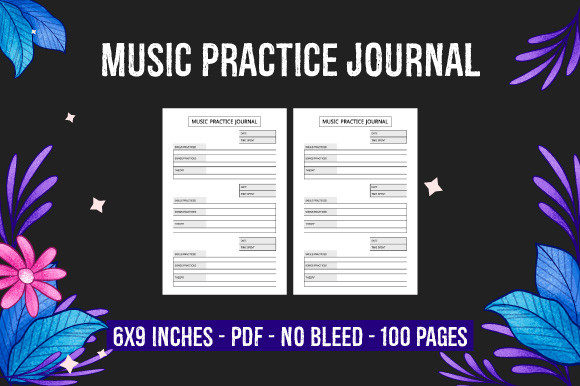
A high-quality music practice journal differs significantly from a standard notebook. The 100 pages included in this file are designed to facilitate deliberate practice, which is the gold standard for musical improvement. When you upload this KDP Interior - Music Practice Journal, you are offering customers a tool that guides their daily routine. Typical effective interiors in this category include dedicated spaces for setting weekly objectives, logging specific exercises, noting metronome markings, and reflecting on emotional or technical challenges encountered during a session.
This structure transforms a simple notebook into a coaching tool. For example, a violin student might use the dated log pages to track scales and etudes, while using undated reflection sections to prepare for upcoming recitals. As a publisher, highlighting these functional aspects in your book description is crucial. You aren't just selling paper; you are selling organization, progress tracking, and musical growth. The "no bleed" specification ensures that all content stays safely within the printable area, making it compatible with standard white paper stock and reducing the risk of printing errors that can occur when elements extend to the page edge.
Customization and Branding Opportunities
Although the interior is ready to publish, successful sellers often look for ways to differentiate their offerings. Since this file is a high-resolution PDF, it serves as a robust base layer. While you cannot easily edit the core layout without source files, you can customize the experience through your cover design and metadata. The cover should visually communicate the specific instrument or genre if possible, or remain elegantly neutral to appeal to multi-instrumentalists. A minimalist, typography-driven cover often signals professionalism to serious students, while colorful illustrations may attract younger learners or hobbyists.
Additionally, consider how this journal fits into a broader series. If this KDP Interior - Music Practice Journal performs well, you might pair it with complementary titles like composition notebooks, concert planners, or lyric writing journals. Using consistent branding across a series helps build recognition and encourages repeat purchases. The 6x9 format is ideal for this ecosystem approach, as customers appreciate having matching stationery items that share the same physical dimensions and aesthetic quality.
Important Considerations Before Publishing
Before uploading any ready-to-use PDF files for journal interior for Print on Demand POD or Amazon Kindle Direct Publishing KDP business, there are several practical factors to verify. First, always download the latest KDP template guidelines to ensure compatibility. While this file is designed to meet current standards, platform specifications can evolve. Double-checking margins and safe zones prevents frustrating rejections during the review process.
Licensing and commercial rights are equally critical. Ensure you have the appropriate license to use this digital file for commercial publishing. Most reputable designers grant full commercial rights for KDP interiors, but reading the terms of service protects your business from future copyright claims. Furthermore, avoid using the exact same title and keywords as other sellers using the identical interior. Amazon’s algorithm favors unique listings. Conduct thorough keyword research to find underserved sub-niches within the music practice category, such as "guitar practice log for adults" or "vocal warmup tracker," rather than competing solely for the generic term.
Maximizing Quality and Customer Satisfaction
Customer reviews make or break low-content books. Even with a perfect interior, a misleading description can lead to negative feedback. Be transparent about what is inside. Clearly state that the book contains 100 pages of structured practice logs in a 6x9 format. If the interior is black and white, specify this to manage expectations regarding color printing. High-resolution PDF files generally produce crisp text and lines, but ordering a proof copy is always a wise investment. Seeing the physical product allows you to verify paper opacity, binding quality, and overall user experience before marketing heavily.
Finally, remember that the KDP Interior - Music Practice Journal is a starting point, not a finish line. The most successful publishers treat these assets as part of a larger business strategy. They combine quality interiors with exceptional cover art, thoughtful descriptions, and ethical marketing practices. By focusing on the genuine utility this journal provides to musicians, you create a product that stands the test of time and generates sustainable passive income. Whether you are a seasoned KDP veteran or just starting your publishing journey, leveraging professional-grade interiors allows you to scale efficiently while delivering real value to the creative community.