Evaluating Fry Sight Words Set 7 Resources for KDP Publishing and Home Education
When developing educational materials for early readers or creating low-content books for Amazon KDP, specificity matters. General literacy resources often cover broad ground, but targeted tools like Fry Sight Words Set 7 address a distinct developmental gap. This specific set typically encompasses words ranked 601 through 700 on the Fry Instant Word List. Unlike the foundational first three hundred words that appear in nearly every primer, Set 7 represents a transitional vocabulary bridge. These words are essential for third and fourth-grade reading fluency, moving students from basic decoding to more complex comprehension. For creators and educators evaluating resources, understanding the unique position of this word set is the first step in determining whether a specific digital asset package meets your needs.
Defining the Scope and Utility of Set 7
Fry Sight Words Set 7 is distinct because it targets the "instructional" level of reading rather than the "independent" level found in lower sets. Words in this tier often include abstract concepts, transitional phrases, and subject-specific terminology that cannot be easily sounded out phonetically. When you acquire a resource package containing these words, you are not merely getting a list; you are accessing a structured approach to mid-elementary literacy. The value proposition of a dedicated Set 7 file lies in its focus. Many generic sight word bundles lump these terms in with easier vocabulary, diluting their impact. A specialized resource allows for targeted intervention for struggling older readers or advanced practice for younger students who have mastered earlier sets.
For KDP publishers, this specificity translates to niche marketability. While the market for "Kindergarten Sight Words" is saturated, resources focusing specifically on the 600-700 range serve an underserved demographic of parents and tutors addressing third-grade reading slumps. Evaluating a product based on this set requires verifying that the content accurately reflects this specific frequency band, ensuring the material aligns with standard educational benchmarks rather than arbitrary word selection.
Comparing Digital Formats: PowerPoint vs. PDF vs. JPG
A critical decision factor when selecting a Fry Sight Words Set 7 asset is the file format versatility. Most comprehensive packages offer three distinct formats, each serving a different function in the creation workflow. Understanding the tradeoffs between these formats helps determine which resource offers the best return on investment.
- Resizeable Source File (PowerPoint): This is the most valuable component for KDP creators. Unlike static images, a PowerPoint source file allows you to modify fonts, colors, and layout elements. If you need to adjust the trim size from 8.5 x 11 inches to a smaller 6 x 9 inch workbook, the PPTX format enables global changes without rebuilding pages from scratch. This flexibility is essential for creating series consistency or adapting content for different age groups. However, it requires basic design software proficiency and may present font compatibility issues if you do not own the original typefaces used by the creator.
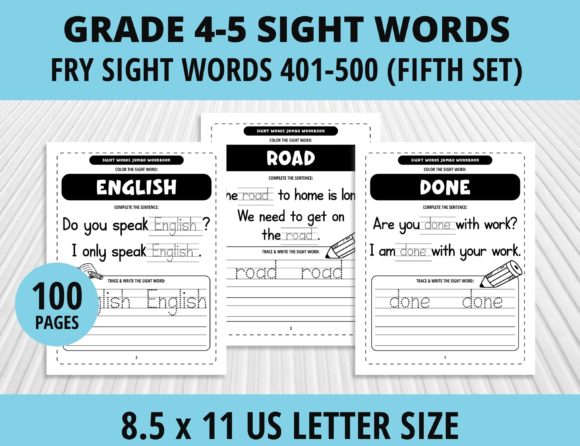
- PDF File (100 Pages): The PDF serves as the print-ready master. For users who want to use the resource "as is" without modification, this is the primary deliverable. At 8.5 x 11 inches, it fits standard letter-size printing and common KDP trim sizes perfectly. The limitation here is rigidity; while some PDF editors allow minor text tweaks, significant resizing or reformatting often degrades quality or disrupts alignment. This format is best for educators printing worksheets for immediate classroom use or publishers satisfied with the existing layout.
- High-Quality JPG Files: Individual image files offer maximum compatibility but minimum editability. These are ideal for digital flashcards, social media promotion, or inserting specific pages into other projects where vector editing isn't necessary. They lack the layer structure of PPTX files and the multi-page convenience of PDFs, making them supplementary rather than primary assets for book creation.
Assessing Adaptability for Different Trim Sizes
The ability to resize source files is frequently marketed, but practical application varies. When evaluating a Fry Sight Words Set 7 package for KDP, consider how the 8.5 x 11 inch baseline interacts with your target trim size. Educational workbooks often perform better in larger formats to accommodate handwriting practice, making the standard size ideal. However, if you are compiling a travel-friendly activity book or combining Set 7 with other interiors to create a comprehensive anthology, resizing becomes necessary.
A true resizeable source file maintains proportional integrity when dimensions change. Margins, gutters, and safe zones must adjust automatically or be easily adjustable. Before purchasing, verify whether the PowerPoint template uses master slides and grouped objects. Ungrouped elements scattered across individual slides make resizing a manual, error-prone process that negates the time-saving benefits of buying a pre-made interior. The efficiency gain of a premium template comes from its structural soundness, not just its visual appeal.
Integration Strategies: Standalone vs. Combined Interiors
Deciding whether to publish Fry Sight Words Set 7 as a standalone volume or part of a larger collection depends on your audience analysis and competitive landscape. Both approaches have distinct merits and limitations.
Standalone Approach: Publishing a dedicated Set 7 workbook allows for precise keyword targeting and clear value communication. Parents searching specifically for "third grade sight words" or "Fry 600-700" will find exactly what they need. The 100-page count mentioned in many packages provides sufficient spine width for paperback binding and enough content to justify a mid-tier price point. The tradeoff is a potentially smaller total addressable market compared to broader titles.
Combined Approach: Merging Set 7 with other KDP interiors creates a higher-value product, such as a "Complete Third Grade Literacy Workbook." This strategy increases perceived value and page count, allowing for higher pricing. However, integration introduces complexity. You must ensure visual consistency across different source files. If your Set 7 PowerPoint uses a different margin guide or font family than your phonics or grammar interiors, the final product may feel disjointed. The resizeable nature of the PPTX files is crucial here, enabling you to standardize branding and layout across disparate sources.
Evaluating Quality and Commercial Viability
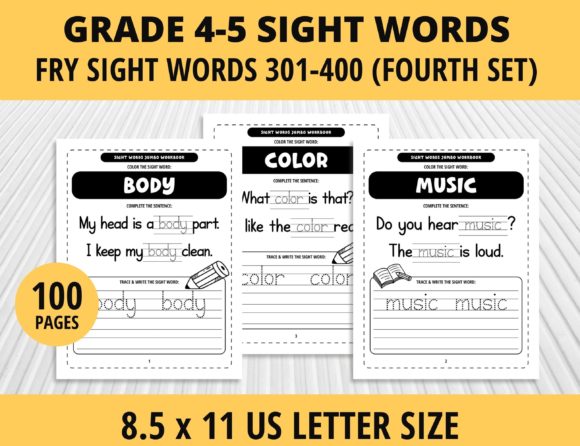
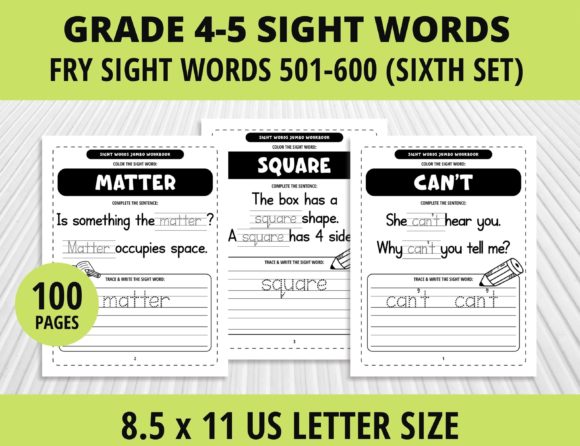
Not all Fry Sight Words Set 7 resources are created equal. When comparing options, look beyond the word list itself to evaluate the pedagogical and commercial quality of the interior. Effective sight word practice moves beyond simple repetition. High-quality interiors incorporate context sentences, tracing activities, word searches, and fill-in-the-blank exercises that reinforce recognition through varied modalities. A 100-page PDF consisting solely of trace-and-copy drills may lead to student fatigue and negative reviews, whereas a diversified activity set supports sustained engagement.
From a KDP perspective, commercial licensing and uniqueness are paramount. Verify that the license permits unlimited sales and modifications. Some providers restrict the number of copies or prohibit using the files in subscription services. Additionally, assess the saturation of identical interiors. If hundreds of sellers are using the exact same unmodified PDF, differentiation becomes difficult. The availability of a resizeable PowerPoint source file mitigates this risk by allowing you to alter covers, add unique introductory content, or modify activity instructions to create a distinct product even when starting from the same base asset.
Decision Factors: When to Choose This Resource Type
Selecting a pre-made Fry Sight Words Set 7 package is a strategic decision balancing cost, time, and customization needs. This type of resource is typically the right choice when:
- Time-to-Market is Critical: Creating 100 pages of pedagogically sound sight word activities from scratch requires dozens of hours. A verified, high-quality template reduces this to days of review and customization.
- Design Skills are Limited: Professional layout, consistent typography, and engaging graphics require expertise. Pre-made interiors provide professional polish that might be unattainable for non-designers.
- Niche Validation is Needed: Testing demand for Set 7 specific content is lower risk with a pre-made asset than investing in custom development. If the niche proves viable, you can later invest in bespoke content.
Conversely, alternative approaches may be preferable when:
- Unique Methodology is Required: If your teaching approach differs significantly from standard sight word instruction (e.g., Orton-Gillingham based), generic templates may not align with your pedagogy.
- Brand Consistency is Non-Negotiable: Established brands with strict style guides may find retrofitting existing templates more labor-intensive than creating new ones that match specifications exactly.
- Budget Constraints Exist: Free or open-source alternatives exist, though they often require more assembly and lack the comprehensive 100-page structure of paid packages.
Ultimately, the decision hinges on alignment between the resource's capabilities and your specific objectives. A resizeable Fry Sight Words Set 7 package offering PPTX, PDF, and JPG formats provides maximum flexibility for both educators and publishers. By carefully evaluating format utility, integration potential, and content quality against your unique requirements, you can select a resource that serves as either a complete solution or a foundational building block for broader literacy projects. The goal is efficient production without compromising educational effectiveness or commercial distinctiveness.